



By Sarah Jonas and Casper Lassiter
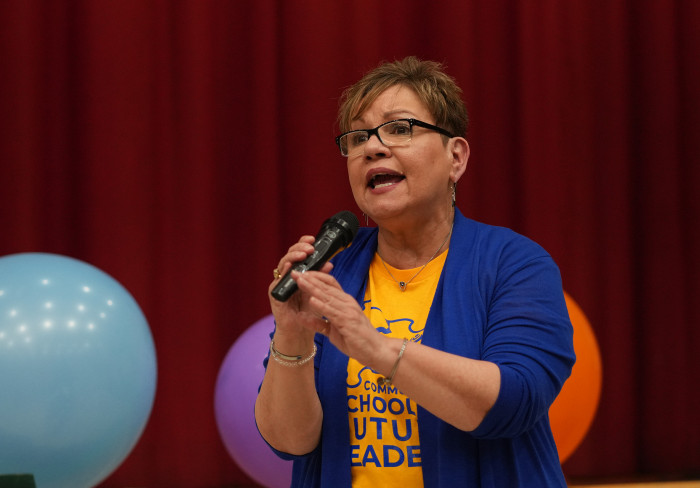
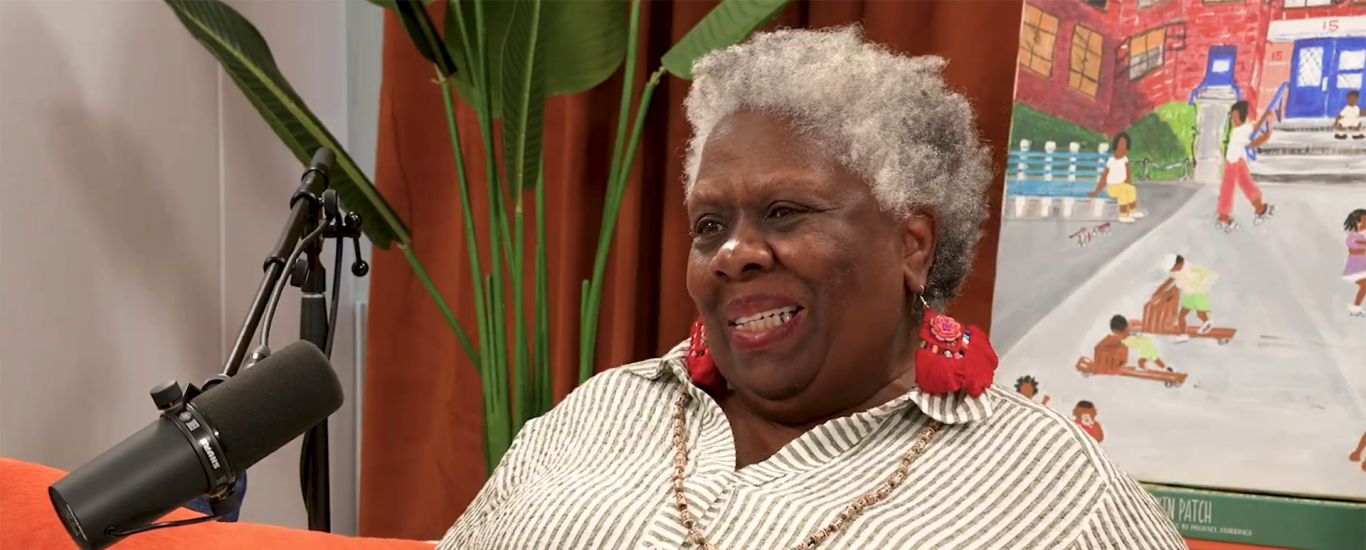
When Judy Edwards talks about Children’s Aid, she doesn’t begin by listing programs.
She begins with a person.
As a young girl growing up in Harlem, she wandered into a theater class at her neighborhood community center. The instructor, Tony Major, saw something in her long before she saw it herself.
That relationship helped shape a life of college, law school, community leadership, decades of service to children and families, and a commitment to giving back now spanning three generations.
Stories like Judy’s are often described as inspiring. We think they’re something more important: evidence.
The importance of supportive adult relationships is not simply anecdotal. Decades of research in youth development have found that stable, caring relationships with adults are strongly associated with resilience and healthy development.
Yet conversations about youth development often focus on programs, curricula, or services while overlooking the ingredient that makes them meaningful: relationships.
Programs matter. But people change lives.
More accurately, programs create the conditions where life-changing relationships can take root. A basketball league, theater class, college-preparation workshop, or after-school program provides the structure. Relationships provide the lasting impact.
Community centers occupy a unique place in that equation.
Unlike institutions designed around a single purpose, community centers bring young people, families, and trusted adults together repeatedly over years and often across generations. Their power lies not only in the services they provide, but in their ability to create consistent opportunities for connection, mentorship, and belonging.
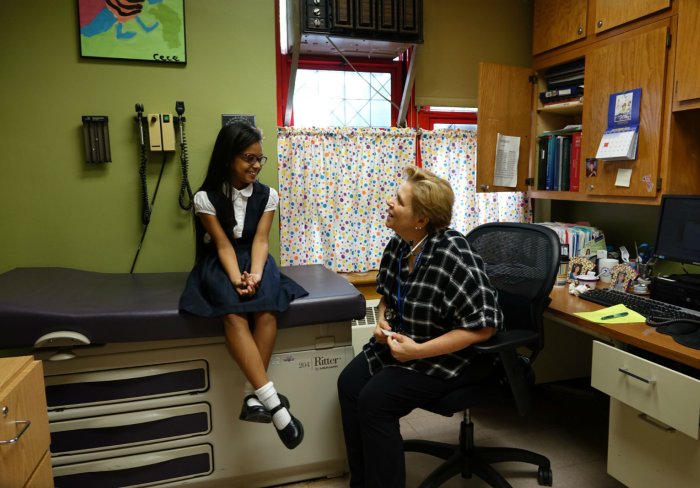
A basketball coach notices when a teenager has stopped smiling.
An art instructor encourages a quiet student to keep creating.
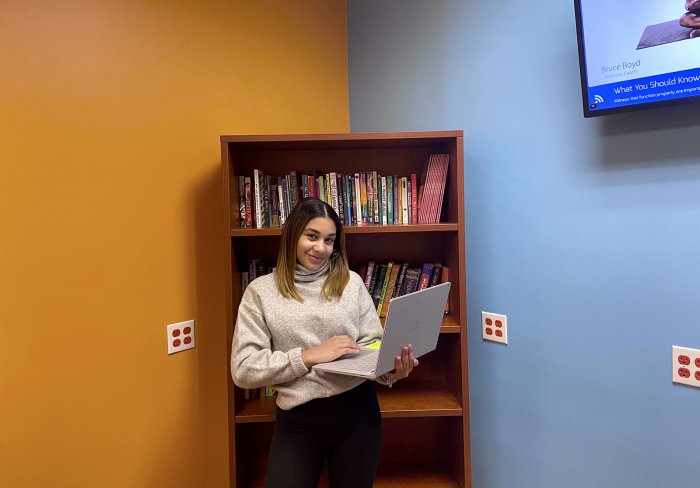
A youth worker helps a young person prepare for their first job interview.
A staff member simply asks, “How are you?” — and genuinely wants to know the answer.
These moments may seem small. Over time, they become transformational.
Judy described her community center as a place where adults “saw” her — celebrating her successes, challenging her to dream bigger, and introducing possibilities she hadn’t imagined.
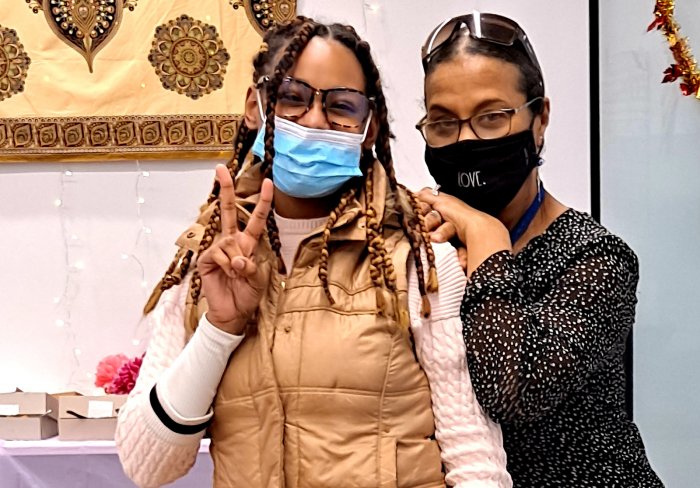
For many young people, these adults become part of the support system that helps them navigate challenges and imagine new possibilities.
Sometimes they reinforce what children receive at home; sometimes they fill gaps created by hardship, long work hours, family stress, or circumstances beyond a family’s control.
In every case, they expand a young person’s circle of support.
That matters because today’s young people are growing up amid extraordinary challenges, including elevated levels of poor mental health and weakened social connection.
In this environment, places where young people experience consistency, belonging, and genuine connection are more valuable than ever — and community centers are designed to provide exactly that.
Critics sometimes argue that relationships are difficult to measure. They are certainly more complex than counting attendance or program participation, but they are not beyond measurement. Researchers and practitioners increasingly assess whether young people have trusted adults in their lives, feel a sense of belonging, and believe someone knows and supports them. These indicators help reveal whether the conditions for long-term success are taking root.
And the impact extends far beyond individual children.
As Judy reflected during a recent episode of “Every Step of the Way,” the Children’s Aid podcast, the relationships she developed as a child influenced how she raised her daughter. Her grandchildren later attended Children’s Aid programs themselves.
Three generations. At Children’s Aid, stories like this are familiar.
As someone who grew up at Children’s Aid’s Dunlevy Milbank Center and now leads it, one of us (Casper) sees this often. Parents who once walked through our doors as children now bring their own sons and daughters. Some former participants return as volunteers, coaches, mentors, and staff.
The faces change. The relationships endure.
Community centers become neighborhood anchors because trust accumulates over time.
Families know the staff. Staff know the community.
Children grow into adults who remember who believed in them — and often choose to become that person for someone else.
That creates something larger than individual success stories: social capital, stronger neighborhoods, and communities where opportunity is shared rather than isolated.
Too often, discussions about funding youth programs ask, “How many children were served?” That’s an important question. But it is only the beginning.
An equally important question is what happened after young people arrived: whether they developed trusted relationships with adults, gained confidence, expanded their aspirations, and felt seen and valued.
These outcomes may be harder to measure than attendance figures, but they are no less real — and they are often what determine whether a program leaves a lasting mark.
Community centers should not be judged solely by the number of participants they serve, but by the strength of the relationships they help create. Participation is an output. Belonging, trust, confidence, and connection are outcomes.
The future of our communities will be shaped by whether young people grow up surrounded by adults who know their names, celebrate their accomplishments, challenge them to dream bigger, and refuse to let them settle for less than their potential.
Every child deserves someone who says, “I see you.” Every neighborhood deserves places where those relationships can flourish.
And sometimes, that relationship changes the trajectory of an entire family for generations.
About the Authors: Sarah Jonas is Vice President of the Youth Division at Children's Aid. Casper Lassiter is Director of the Dunlevy Milbank Community Center in Harlem, one of Children's Aid's flagship community centers.