Georgia (02:41.368)
Hi, I'm Georgia Boothe, Executive Vice President at Children's Aid, and welcome to the second season of Every Step of the Way, our Children's Aid podcast. This season, you will have the opportunity to hear more in-depth stories of our alumni through the programs that they participated in. Last season,
We had such an incredible group of alumni who were able to talk about their stories in terms of where they are today and how their journey at Children's Aid helped them to be the people that they are today.
This episode is about when care means everything. When we find opportunities to reach out to those who are in need and to help them to get on their feet and for them to be able to get their lives together. And we're going to talk about that through our foster care program here at Children's Aid.
To help me have that conversation, I am joined by Rhonda Braxton, the VP for Health and Wellness Division. Hi, Rhonda. Welcome.
Georgia (04:00.056)
Good, awesome. So, Karina, you have been a participant in Children's Aid. Can you tell us, like, how did you come to be in Children's Aid?
Karina (04:14.894)
Yes, so I entered the foster care system when I was 15 years old. I initially entered through the medical program because I am at the time I was in remission for bone cancer and I kind of was behind due to a lot of stress and just financial and personal stress that my family was undergoing. I was kind of very much behind on a lot of my checkups and follow-ups medically. So I entered first through the medical program at Children's Aid and then I was also in a kinship foster home. But I entered foster care at a time when my mom was really struggling and it really impacted her ability to, you know, care for me.
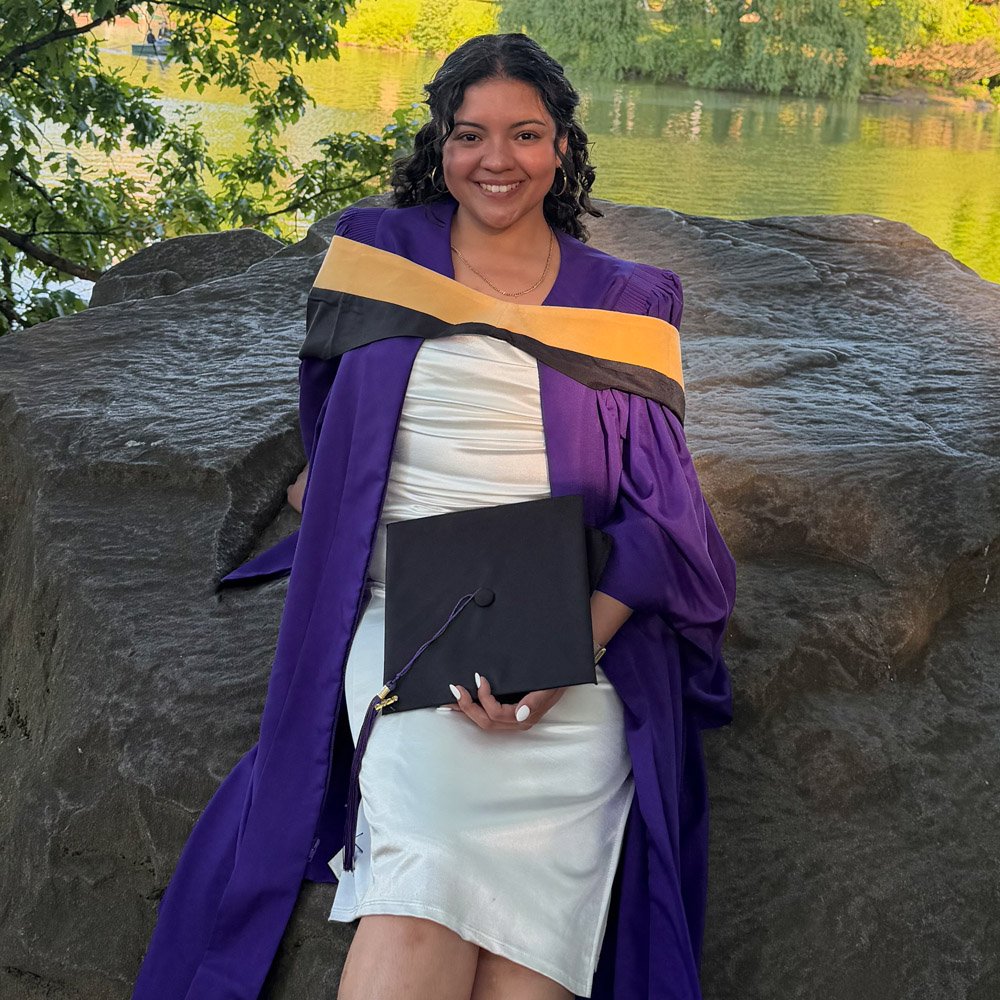
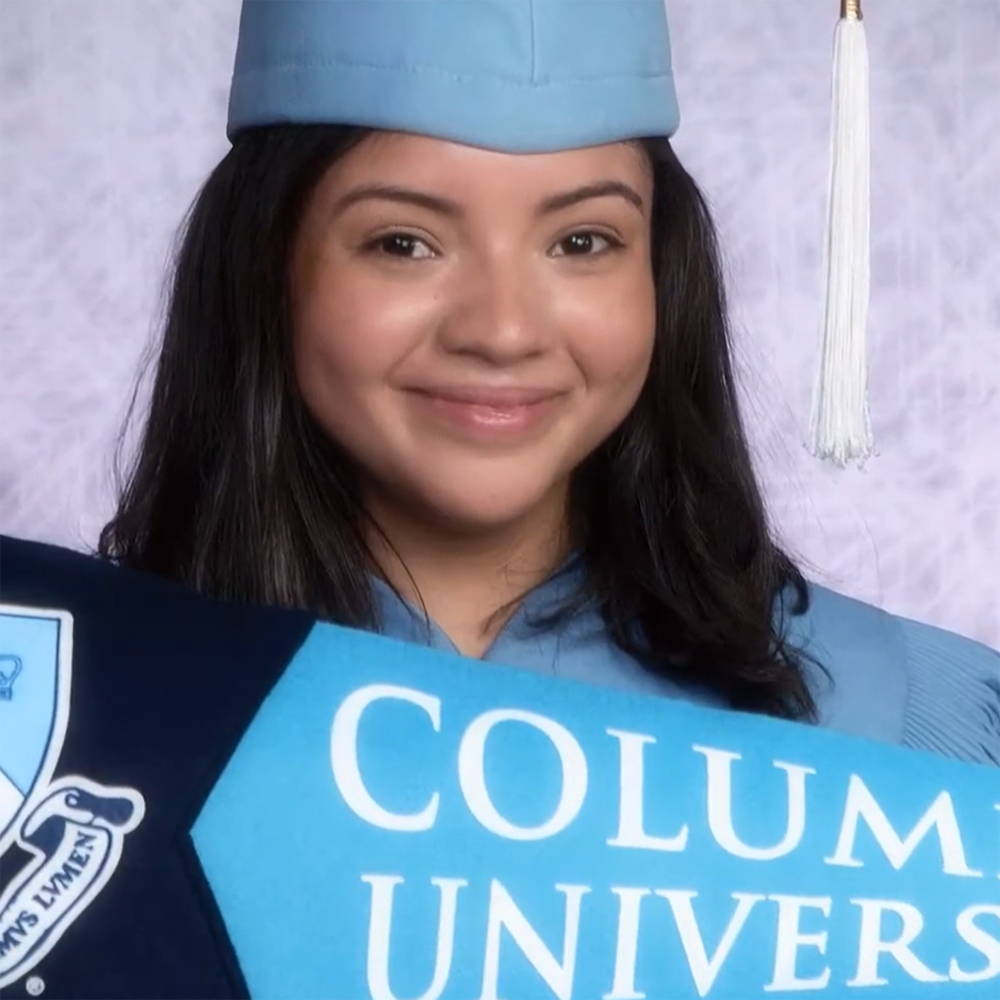
And at the time my teachers in high school took a notice in what I was going through and so they made that difficult call. And I was fortunate to end up in your care. and I've been in and with Children's Aid until I aged out at 21. We can I guess we can talk about that later. But you know through all of the support that I've gotten you know I've just been able to really accomplish so many milestones including graduating high school, first in my family, graduating college, Columbia University, and actually securing housing after I graduated college. So I'm honestly so grateful for everything.
Rhonda (05:48.686)
It's amazing.
Georgia (05:49.858)
That truly is amazing. So, Karina, for those who may not be familiar with foster care or foster care program exists to serve kids whose families are having a difficult time, as you articulated, and may not be in a position to take care of them. so through the Administration for Children's Services, kids come in to foster care. And our goal is to try to reunite families if we can, or if that's not possible, to help children find forever homes, or as in your case, you left foster care as an independent student. so far, it seems you've done really well for yourself. And that's really awesome. then, Rhonda, I don't know if you want to talk a little bit about medical foster care, just to give a little bit of context about what that program is about.
Rhonda (06:59.0)
So Children's Aid is one of the few agencies in the city that has a medical foster care program. And the program really is intensive case management by nurses, physicians, behavioral health support specialists to provide care, ongoing care for people who have intensive medical needs. So we have little children and babies in our medical foster care program, but we also have teenagers and that we provide intensive case management, we make appointments, our staff go with them to the appointments, coordinate care, assist with the caregivers and how to meet their medical needs. So really we provide wraparound services for the children in our medical foster care program.
Karina (07:49.388)
might be biased but they're incredible services.
Rhonda (07:52.952)
Thank you, thank you. It is an incredible team, I have to say.
Georgia (07:56.288)
is without a doubt, like I think our case planning and nursing team are, you know, one of the best in the city and I'm, you know, just incredibly proud of the work that they do.
So, Rhonda, do you wanna?
Rhonda (08:16.969)
I mean the other item that I point that I wanted to mention is that we really try to focus on possibility and not limitation. So we recognize that every child in our care, regardless of their medical condition, has the ability to succeed and thrive. So we provide those support services in navigating the health care system. Even for people who know the health care system, it's really hard to navigate. So for us to be able to provide those one-on-one services to families and young people during what are sometimes very difficult times. It's really a service that I'm very proud of.
Rhonda (09:15.508)
So, Karina, how did Children's Aid Medical Foster Care Program assist you in your journey?
Karina (09:24.834)
Yes. So I think there were several ways. You mentioned like all of the different wraparound services. So and I did start within the medical foster care program. But since I was, had. I was diagnosed with cancer when I was 10 years old, with bone cancer at 10, and I went into remission at 12. So by the time I entered CARE at 15, I was already in remission for some time. And so it was really about just getting back on track, getting those follow-ups, making sure that my long-term health was still intact after, you know after that intensive chemo that I received. And once, you know, so I had a nurse, I believe her name was Sonia. She took me to my, she was so sweet and just so like maternal and amazing. And she would take me to my appointments and they were all day appointments. Like we were in there from morning to evening because they would just try to get all of the tests done, you know, at once. And so she accompanied me and, you know, kept me company. And it was just very, I just remember being, feeling very comforted because it could be very overwhelming going through that.
And once things were back on track and my doctors confirmed that I was okay health-wise, I was no longer in the medical program, had to say goodbye to Sonia, but I'm glad she was able to work with someone else who really needed her. But while I may not have been under that program strictly, I did benefit from the mental health services at Children's Aid. It was actually the first time that I had come into contact with therapy and with mental health.
Karina (11:08.888)
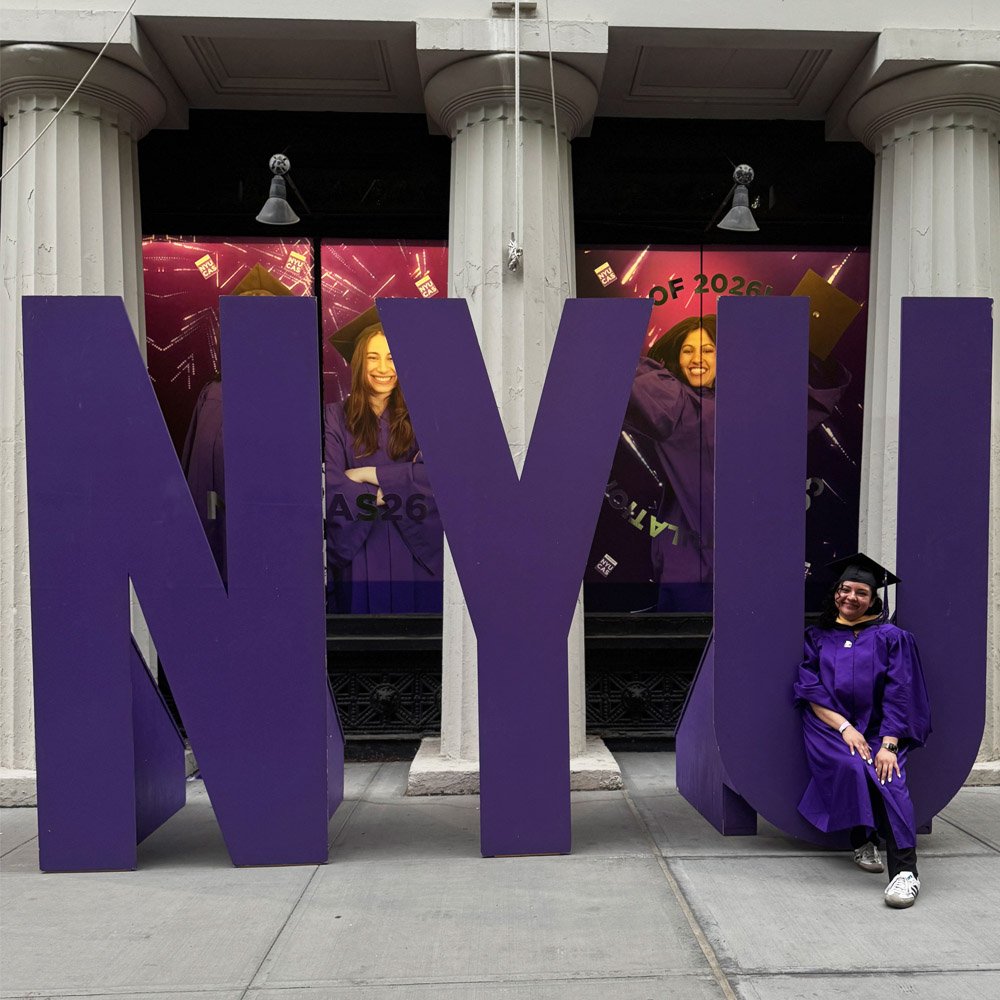
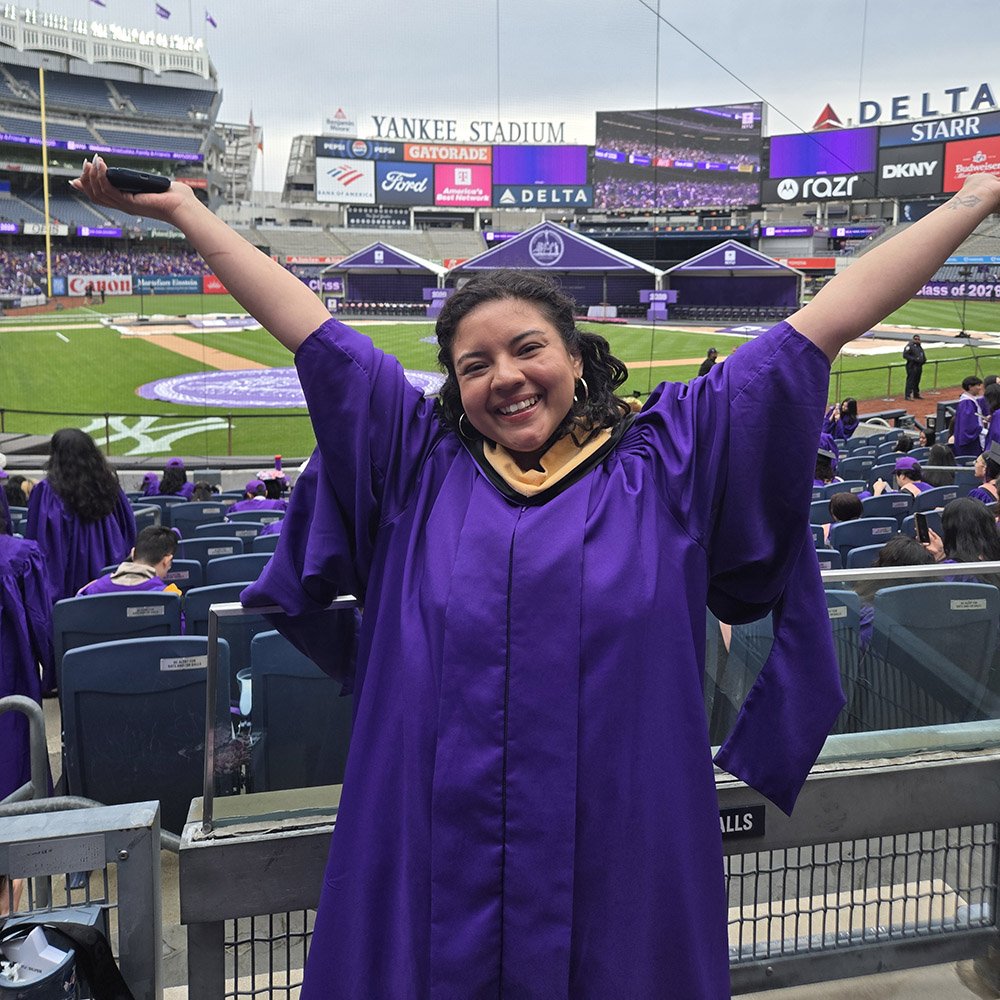
and at the time, as you can imagine, it was something I really needed. And it's something that I can, you know, I'm now in social work, I'm about to graduate with my MSW.
Rhonda (11:21.294)
Congratulations, it's amazing.
Karina (11:24.088)
So it's something that I've carried with me. The skills that I learned, what I learned about myself and how to manage what I was going through really helped me at that time and also just subsequent to that, everything that I went through after. And it inspired me to go into mental health and into the social work field. Honestly, the medical foster care program has impacted me in so many ways that I can't say thank you enough for it, really.
Rhonda (11:52.77)
So happy to hear that.
Georgia (11:53.83)
Yes. So, you know, not to have you rehash the kind of the whole history, but, you know, what was it like being, you know, 10 years old and, you know, being diagnosed with such a devastating, know, anytime anyone hears the word cancer, it just ripples through your being as a human being. What was it like at that age, given everything that was happening in your family, to get that diagnosis?
Karina (12:41.39)
Absolutely. I feel like there was the before and the after. It's like COVID, you know, think? COVID, after COVID. And I'll be honest, I remember very little about my childhood before getting diagnosed. I do remember, you know, obviously having way more mobility in my leg. But it was pretty devastating.
As you can imagine, I remember to this day, like being in room with my mom, had, I...I had like an injury on my leg that just was not healing. And so my mom took me to get x-rays and they sent us to Memorial Sloan Kettering for like a second opinion. And I remember the day, seeing on the door, cancer center, and just being very curious, like, why am I here? That's not me. I didn't think of anything of it. I was still kind of like, we're at the doctor. But I remember at the end of that day,
We were in a room and the doctor told us and she left me and my mom alone and I was sitting on a little spinny chair because I wanted to spin around on it while we waited and My mom and I just held each other and cried. We just cried. It was it was devastating At the same time I was so fortunate because my mom was my everything my mom sacrificed so much to put her all into taking care of me. And it was, I'm sure it was, I feel when I reflect on that, I think about how that, I think, started sort of a domino effect that led to, you know, four or five years later, the need to enter foster care, right? Because the financial burden, the stress, the challenges that, you know,
Karina (14:40.492)
you know, that the person goes through who has cancer, but also their support system. My mom went through a lot of difficulties. She was there 24 seven. She made her entire life and existence about me getting better. And I think once we got out of that, things did start to kind of fall apart for us. We ended up needing to enter into the shelter system.
you know, it was just a very difficult and stressful time for my mother. And she coped with it in the best ways that she could, which unfortunately, you know, wasn't the healthiest ways. And it did impact me. And it got to a point where, you know, people noticed and I entered the foster care system. But I was very lucky at the time that I...
that I was battling cancer to have such an amazing mom and I still think my mom is an amazing mom. think people suffer and people struggle and it doesn't mean that they are not good people or that they are not good parents. And I love my mom and I think, and I'm forever and eternally grateful because my mom, I'm kind of going on, but she, I remember I lost my hair and Latina girl, long hair.
It's like a thing, you know what mean? And so when I started losing my hair, it was such a big crisis for me. My mom, remember when I was getting, you we came in for a round of chemo and she said, I'm gonna be right back in a couple hours. You know, just chill out here, I'll be back. And when she came back, she had shaved her head. And she said, I'm not letting it grow back until you get better, because you will get better and your hair will grow back and we're gonna grow it back together.
And so the photos of that time is very much my mom with her shaved head, me with my little, they would call me Kiwi head, because I had little fuzzies. And for sure, she did not let it grow back until my hair was growing back. So that was the kind of mom that my mom was. She was 100 % invested, mind, body, soul in my healing. And so I'm really grateful to her for getting me through that time.
Georgia (16:48.376)
You know, your story, Karina, is familiar to families that, you know, experience hard times and don't have support, you know, in the community. I wonder, you know, if your mom had had some support during that time, you know, could things have been different?
for you and her. Unfortunately, so many families, even now, are experiencing such hard times. we have to look out for each other and try to be a support to those in our communities that are experiencing a hard time.
Karina (17:17.878)
I think so.
Karina (17:37.934)
Absolutely.
Rhonda (17:38.638)
I imagine it was really difficult dealing with the major illness and life changes. Was there one that was harder for you than the other?
Karina (18:11.116)
I think the most difficult experience for me throughout all of those difficult life experiences was the way that it impacted that everything that I had gone through impacted my relationship with my mom. Because she was truly my rock. was truly like even when we were in the homeless shelter, you we were in a bunk bed together. Like I had my mom and she always sacrificed for me. And so the difficulty was really in, you know, as I entered foster care all the way you know, just until a couple years ago, honestly, we had a very strange relationship and that was very difficult for me. And I'll be honest, it was partly my, you know, as a child, I won't give myself too much blame, but it was also anger that I had towards her, because I think it was misplaced anger. I think I could say now reflecting and having gone to therapy and done the work, I can understand and I can see like my anger at the time, I was very resentful about it and I blamed her so much and I put the blame, think society in general tends to do this, we put the blame on the individual and not on the systemic things, know, the things that are, the challenges that they have to go through, right? So at the time I was very angry with my mom and we had a very poor relationship and that was really the hard part for me because she was my whole entire support system.
We are in better terms now. She's also done her work and therapy and we've come to a place where we can be there for one another and I'm grateful for that. But would say that was the roughest part. Because I mean, had cancer, I was homeless, I had my mom.
Georgia (19:55.49)
Yeah, that's beautiful. I'm so glad that you guys have reconciled and you're in a different place right now. You know, how did that experience, your experience growing up, going through all the things that you've gone through, how does it, how has that shaped who you are today?
Rhonda (20:20.344)
So.
Karina (20:22.762)
One thing that people tell me a lot is that, is like how resilient I am and they'll often like comment on that, on me being resilient. And it took a while, actually it took now that I'm completing my social work degree. I learned about resilience. I was interested in this topic. How can we build resilience? How do people in general build resilience? And I learned how resilience is relational and it's through relationships.
And I think something that I, I think everything I've gone through while unfortunate and really hard and challenging, they also, like those challenges put me in the path of folks who became part of my resilience.
Right? Like they became part of my community, my support system, and that has shaped me so much because A, I was never very good at asking for help. And now I'm, you know, much more adept at doing that and counting and relying on my support. And B, it's really inspired me to to support others, right? And be part of, you know, be part of others support.
group in that same way. And so I would say that's really where what's shaped me the most is just the resilience that I've been able to, the resilience I've been able to build but through other people. And all those experiences while they were unfortunate, you I always believe everything happens for a reason. Some people hate that saying, but I really believe it because when I reflect on everything I've been through, I'm like,
Yeah, this happened to me, but then I met this person, this really amazing person who took me here to this next level. And then, you know, this other bad thing happened, but then I learned this lesson. And now I'm able to apply that moving forward. So I think in general, it's just helped me, you know, have more perspective about all those challenges. Yeah.
Rhonda (22:32.226)
Was there one particular instance or incident that kind of caused this shift for you that made you feel a little more resilient or made you realize that your life was kind of on the the ascent?
Karina (22:49.362)
Yes, I would say it was when I graduated college and I'll tell you why. when, because when I graduated high school, that was when I thought, I had that, I thought, life is on the up and up. Like this is like, you know, I'm going to Columbia, everything's gonna be great now. No more troubles, no more challenges, right? We're good.
That was not the case. I had a really rough time in college. It took me six years to finish a four-year degree. And I, you know, at a point in time, really did not, was not, you know, taking proper care of my mental health. I wasn't relying on my, my supports. I thought...
Hey, I'm good now. Like I don't need to be bothering people anymore. Like I'm good. I could do this on my own. And I was wrong. And I took two leaves of the absences. And at one point I moved upstate. I went upstate for a little bit and to stay with some family there. And I started going to therapy and my therapist, I was at the time like I had a mentor, Eva, who has been amazing. I met her in high school and she's been so supportive. When I came back from college, I mean sorry, when I came back from that leave of absence, my kinship foster parent left the state and Eva opened her doors to me to come and stay with her. But at this time that I had taken the leave of absence, I had gone a whole year not speaking to her because I was ashamed of myself. And my therapist at the time, to you know kept telling me for homework like call ever call ever and I would come back every week and tell her I didn't do it and one day she handed me the phone and she said call ever right now and I called her and I was so scared and I thought that she was going to like berate me and yell and be it rightfully so as a you know as a mother figure would be and the first thing she said was my god Karina come home
Rhonda (24:37.934)
Thanks
Karina (24:59.48)
Come back, we miss you, we love you, whatever you're going through, we can get through it. And I did. I ended up coming back to Columbia. I was this close to transferring out, because I really thought that I wasn't cut out for it. I wasn't cut out for the ivys or whatever. And I got accepted to a small college upstate. But after that phone call, I went back home. And I enrolled back into school at Columbia.
when I, and that semester, that first semester, I ended up on the Dean's List. And I met my community. I started living in a, what they call a special interest community. So I kind of found my people. And you know, I met friends that I still am in touch with to this day. And things just kind of really turned around. And when I graduated, I think that was the moment where like, I was like, okay, you know,
We thought we had it together. We still have some things to work out. But now I feel like I'm in a place where anything is, like I can really take on anything as long as I don't run away from my people, right? And I've taken that with me and I still, I feel like things have gotten much better. Like, life is not perfect. You're gonna have things come up here and there. But I feel that my resilience is that much stronger because of that experience that I had.
Georgia (26:26.51)
When you were in college at Children's Aid, I think maybe we had about 10 or 12 kids in college. Today we have 60 kids in college, many of whom are doing great, but many of whom are also struggling. What message would you give those young people knowing that many of them are having some version of your story when you were in college?
Karina (26:37.464)
That's incredible.
Georgia (26:56.474)
you want to say to them as they're struggling to find their own sense of resilience?
Karina (27:02.702)
Well, I would want to tell them to... I would want to tell them...
Karina (27:14.348)
that it's okay not to be perfect. I would want to tell them that they are doing amazing right now. And I think there's so much pressure, especially when you come, when you're in a situation like these kids are in right now, in terms of like, you know, being in foster care, going to college, there's this pressure to be perfect, to need to succeed, like you need to, or else, you know, there's that or else in the back of your head. And I would just want to tell them that they are doing
so amazing. Just the fact that they, think...
Georgia (27:50.318)
Alright.
Karina (27:51.502)
Just the fact that they're even in college is such an amazing accomplishment that I think folks sometimes don't, they overlook. I remember we did the success luncheon. There was like a luncheon that Children's Day does every year for the kids in college. And I talked to some kids and I was telling them, and I asked everyone in the room, who thinks that they're a success?
who thinks they're successful and nobody raised their hand. And then I talk to them about what I think success means. And success to me is you're able to be in a place in your life where you can turn around and help someone else behind you. And just by being in that room, being college kids, think of all the young people who are aspiring to go to college, then now you can turn back and share your experience and tell them that they can do it because you did it. That's success.
And when I asked the same question at the end of my speech, I had a few, not everybody, but I had a few more hands. And so I would want to just pass that message along of like, what you're doing right now is so hard and so difficult, and you should be proud of yourself. And progress, not perfection. I think that was one thing in my head I thought I had to be perfect. If I wasn't perfect, if I didn't get straight A's, then it was not worth it. But that's not true. And absolutely.
to lean on your people, find your people, and then don't be afraid to lean on them. Because I think another thing that I know I struggled with was asking for help. I thought I had to do everything on my own. When I was young, there was always that, don't let folks into our business. Don't air out your dirty laundry. They don't need to be in your business.
No, it's not about that, right? Like it's okay to find people who are safe, who are supportive, and who can help you because nobody does it alone. That was another thing I learned. Even the elite, even the kids who were expected to go to IVs because maybe their parents went to IVs. I would look at them and they were getting plenty of help and support, right? So why not us? We deserve that too. So yeah, that's what I would want to say.
Rhonda (29:45.324)
Right.
Georgia (42:13.326)
So this season, we're going to hear more from our alumni through the eyes of the programs that they've participated in. And our first episode this season is focused on our medical foster care program. To help me with this episode is our vice president of our health and wellness division, Ms. Rhonda Braxton. Hi, Rhonda.
Rhonda (42:41.154)
Hi Georgia, how are you? good! I'm so happy to be here. Such a thrill. I can't wait to have a discussion with Karina.
Georgia (42:49.172)
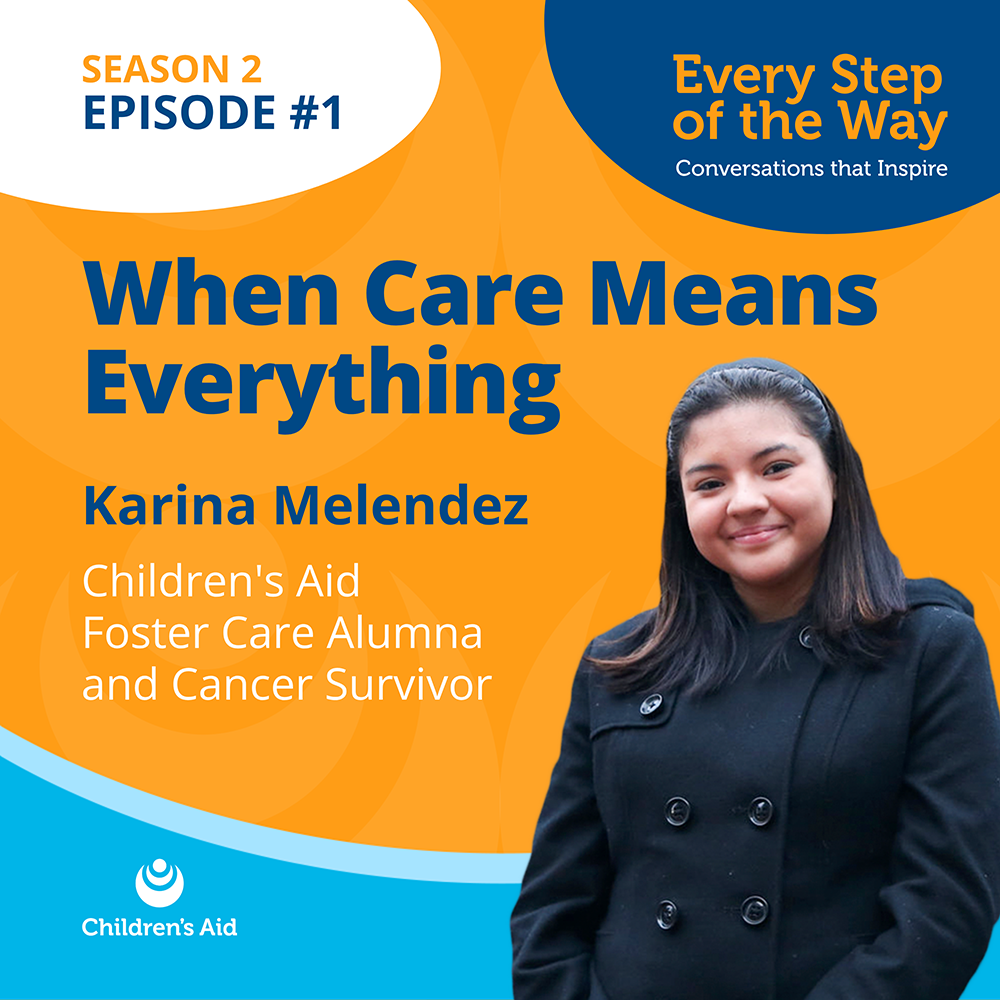
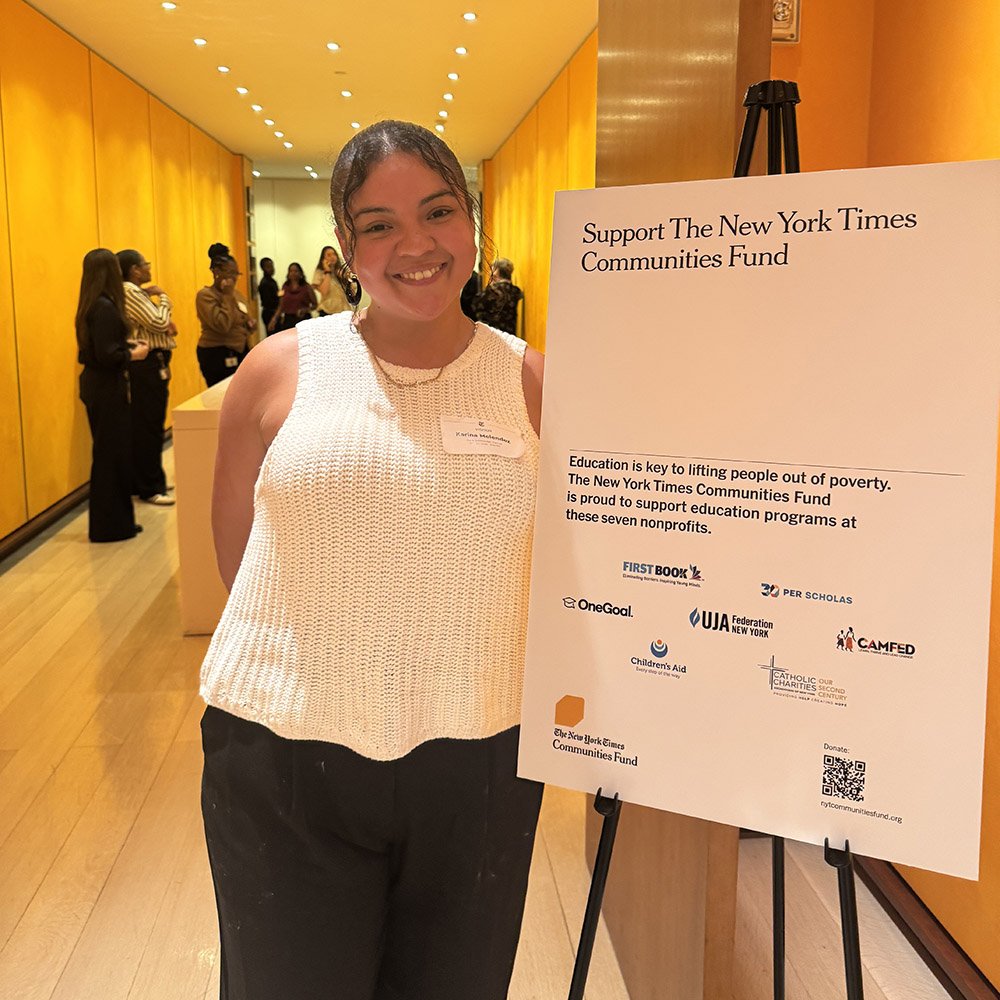
Yes. And with us is Ms. Karina Melendez, an alumni of Children's Aid and an alumni of our medical foster care program. Karina, thank you so much for being here. Thank you. And for being brave and be willing to tell your story. I really appreciate you being here.
Georgia (44:29.256)
Yeah, Okay, okay, okay. Yes, yes. Okay. Karina, thank you for sharing, you know, that aspect of your story. Before we go on, Rhonda, do you want to talk a little bit about our medical foster care program?
Rhonda (47:05.006)
So, Karina, did you happen to bring an object that you feel reflects, connects, sorry. So, Karina, did you happen to bring an object with you that represents your time with Children's Aid or makes you think of us?
Karina (47:22.578)
I actually was not able to bring something today because they're hanging up on my wall right now and I didn't want to bring them down. I'm not the handiest person. But my diplomas, so my high school diploma and my college diploma, which are hanging at home, I think they really represent just these two milestones that I would not have been able to accomplish without all of the support and just amazing staff and team at Children's Aid. So yeah, thank you.
Rhonda (47:51.704)
Thank you.
Georgia (47:51.95)
Thank you. Thank you for bringing. Rhonda, what did you bring as your symbol?
Rhonda (47:57.582)
Well, I happen to have it right here. It's this wooden block that has a picture of Sojourner Truth, and it says, Truth is powerful and it prevails. This was actually a gift from one of my colleagues at Children's Aid, and I keep it in my office. It reminds me of the power that we all have from within and the services that we're able to provide to young people in order for them to feel empowered. Thank you. And Georgia, what did you bring?
Karina (48:22.382)
Beautiful.
Georgia (48:26.776)
I brought that little blue square right over there. Can you pass that for me? So I brought this blue square because it has a Children's Aid logo on it. And the Children's Aid logo is so akin to my beliefs and values in the work that we do. The little dot is the child. And at Children's Aid, we try to uplift
uplift children and youth. And the second kind of semicircle is the family, because we know kids don't, you know, come to us by themselves. They're part of family units, and we want to be able to help support and uplift families. And then our hope is that through the work that we do, we're impacting the overall community. And that is the bigger semicircle that's there, because
You know, we don't do this work alone. We do it in partnership and in collaboration. And ultimately, if we can make our communities stronger places that families can be supported and our young people can be held up, you know, they have the best chance of success, whatever that means for them.
Karina (49:49.966)
incredible.
Georgia (52:41.89)
know, Karina's story to me is typical of a lot of the children and youth that we see in the child welfare division. And I'm sure that you see in the health and wellness division whose families are struggling with lots of things, including the impact of a serious health diagnosis, right?
I wonder how many young people are out there right now who are struggling with medical issues, mental health issues, economic issues, and the challenge that they and their parents are experiencing right now.
Rhonda (53:38.126)
Unfortunately I think Carina's story about the need for support services is not unique in this city. I think that we are very fortunate to be able to provide services for the community. I hope that as more people hear about Children's Aid and Carina's story and the services that we're fortunate to be able to provide that they will find their ways of children aid so we could provide those wraparound services.
behavioral health, medical services, and really address the social determinants of health care that are so prevalent right now. So I was joyful to hear Corrina's story and the impact that we had on her life and how she's giving back to the community and how it really made a difference for her. And it's another reason why it just, it's my why, why I come to work every day.
Georgia (54:36.078)
Absolutely.
Rhonda (54:37.112)
Just a little bit about social determinants of health.
Right. Sure. So a lot of families now, not only are they experiencing extreme medical conditions, but there are other factors that have a negative impact on their health. They could be experiencing homelessness, lack of food insecurity, immigration concerns, outside stress. All of these things can negatively affect your physical being and your behavioral health.
It's so important that we're able to provide services for the communities to be able to address these issues and to direct them to other resources that Children's Aid has or may not have directly, but we have partner agencies that we work with. So to really provide services to meet all of the needs of the community.
Georgia (55:32.27)
I think, yeah. That's exactly what I was going to say. At a time when the cost of everything is so great.
Karina (55:40.621)
Roll
Georgia (55:56.75)
And families are struggling with the cost of housing, having adequate housing, the cost of food, know, $100 just doesn't go as far as it used to anymore when you go to the supermarket. You know, if you have a vehicle, the cost of fuel to put in that vehicle to go to work or pick up it or drop off your kids, you know.
It is so important as we think about the decisions that are being made at the federal level, at the state, and the local level that we keep children and families in the front of those decisions. Because a child going to school cannot thrive if they don't have food to eat, cannot learn if they are dealing with where they're going to be at the end of the school
day, you know, they can't think about college or even getting a job, you know, if they are having to be at home taking care of their younger siblings because their parents either can't afford or can't find, you know, appropriate child care for them. And so in a city like New York where everything is so expensive,
We need to remember, all of us as citizens, elected officials included, that we need the safety net services, the safety net supports for families that are struggling right now.
And as our economic conditions continue to change, we hope for the better. But right now, people are struggling. And we need to make sure that we're putting those safety net services in place so people don't fall through the net. Because we know what happens when kids fall through the net, right? We know what happens to families. Kids end up in foster care. know, kids, young people end up in jail. You know, the warm months are coming.
Georgia (58:11.792)
If we don't have things for our young people to do, way for them to earn a living, you know that it won't be good. And so, you know, I want to implore all of us out there to, you know, think about our neighbors, think about the kids on the street, think about the folks who live on our block who may be struggling right now, and, you know, help them to know that places like Children's Aid exist, where they can come and
We don't have all the answers. We can't necessarily meet everybody's needs, but we're a good place to start to help people find, you know, what they need that's going to help them right now. Every step of the way. Every step of the way.
Rhonda (58:54.766)
Thank you much for joining us. was such a pleasure to meet you, to hear about your journey and your success. We wish you all the best in your upcoming graduation. We'd love to have you back in Children's Aid at some point in the future as part of our team. But thank you so much.
Georgia (59:18.007)
you
Karina (59:18.35)
Thank you Rhonda, thank you so much for having me. It was really such a great time talking to you all. Thank you so much.
Georgia (59:27.16)
Thank you for sharing your story.
Rhonda (01:07:26.282)
Next time, we'll be exploring our community schools. They aren't just a place for learning. It's an environment that supports the whole child.
Georgia (01:08:18.944)
Thank you for joining us for this episode of Every Step of the Way. We look forward to seeing you in our next episode.