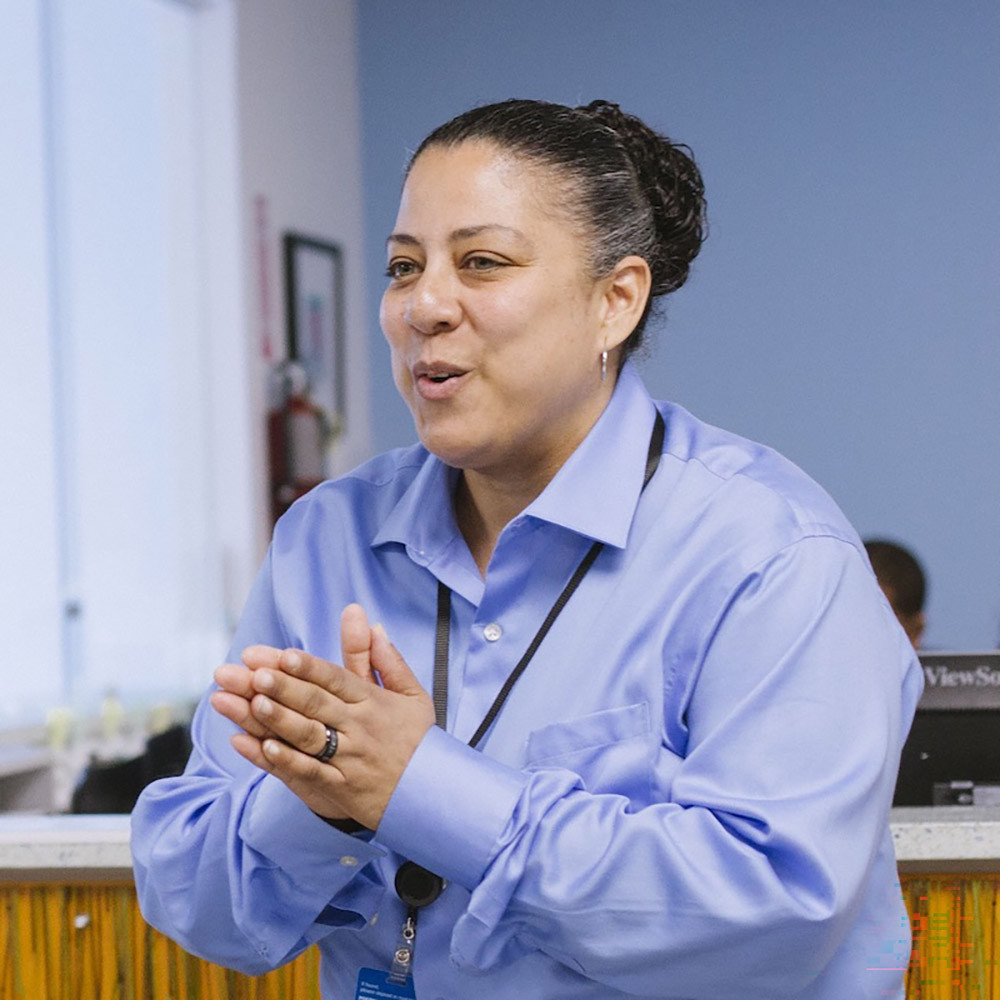
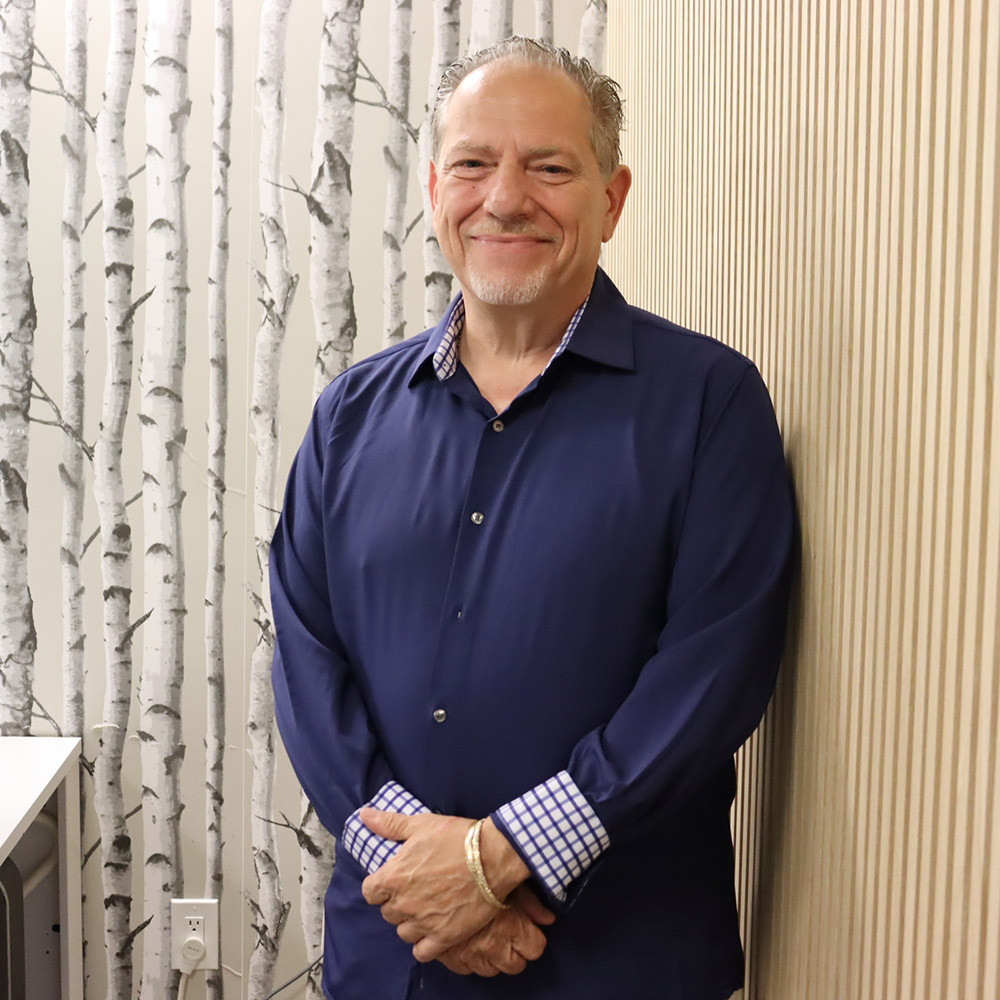
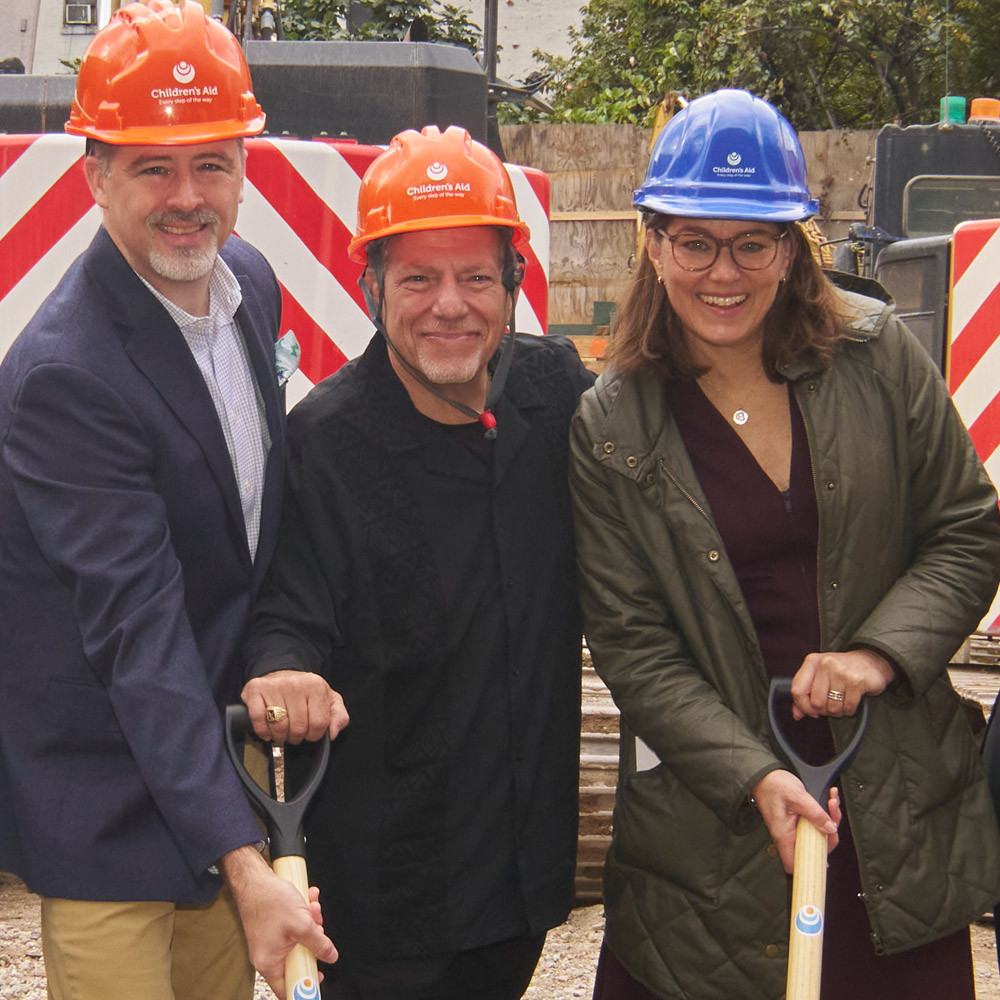
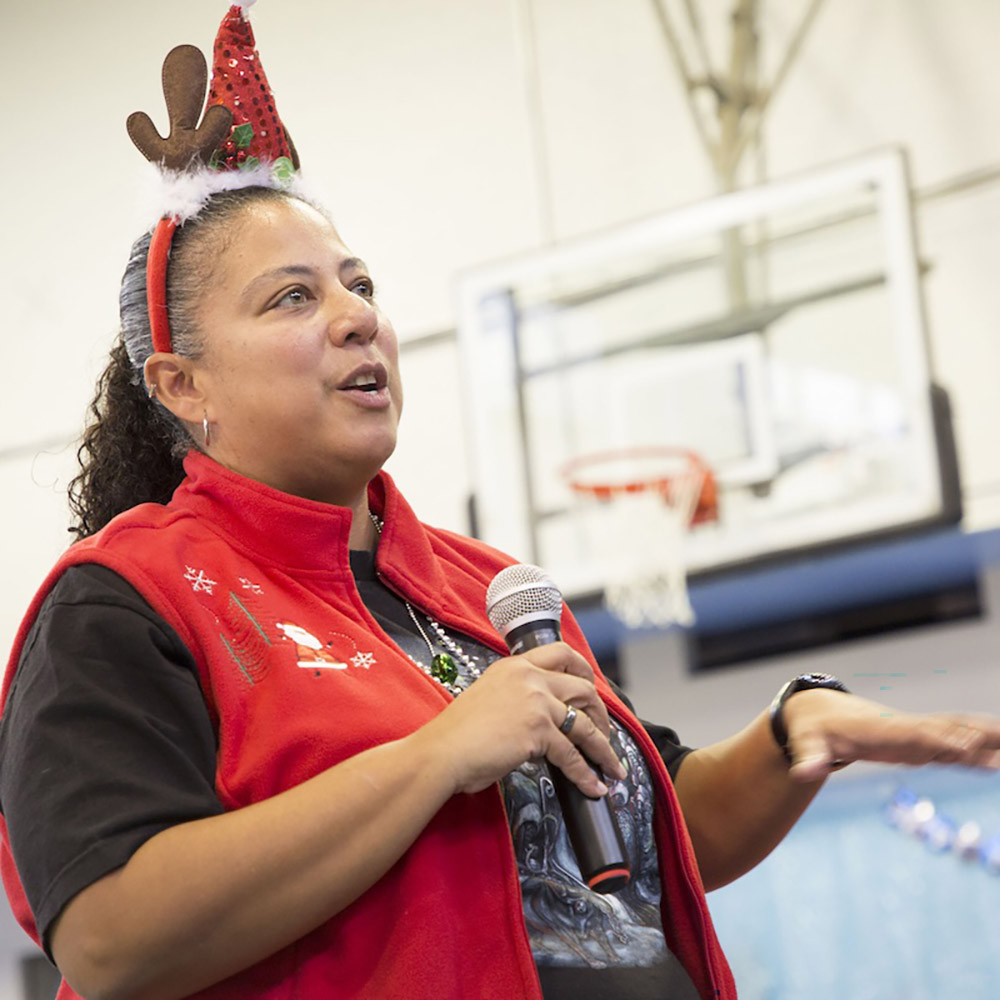
Frances Lopez (00:00)
As a little girl going to the East Harlem Center, the feeling that I had a connection to people outside of my home and outside of my family who cared about me, who I mattered to, was an incredibly powerful feeling.
David Giordano (00:17)
I heard about this great Saturday program that opened the year before: a basketball program. Twelve, thirteen years old, you want to be part of the program, you think you're going to be the next superstar.
Frances Lopez (00:27)
I've always been struck by watching the kids lining up at 7 a.m. on a Sunday to get into Milbank and play basketball. Well, David and I are blessed, and we're living proof that the relationships we build today come back full circle.
Phoebe Boyer (00:43)
But that deep part that is connection literally is coming through every single story.
Georgia Booth (00:50)
Inspiring is knowing the people we have that are working for us at Children's Aid.
Phoebe Boyer (00:56)
We are incredibly lucky.
Frances Lopez (00:57)
So lucky.
David Giordano (00:59)
Show interest in a child when you want nothing from them. You'll be surprised at what they give you in return.
Frances Lopez (01:04)
Growing up in the seventies and eighties, when we saw the commercial with the jingle, it was like, “That's me, I'm a Children's Aid kid.”.
David Giordano (01:11)
Once you hear somebody say , “I was a Children's Aid kid”.
Frances Lopez (01:13)
That's it. Instant family. We're instantly family. It's like…
Georgia Booth (01:19)
Welcome to Every Step of the Way. I'm Georgia Booth, Executive Vice President at Children's Aid.
Phoebe Boyer (01:24)
And I'm Phoebe Boyer, President and CEO of Children's Aid.
Georgia Booth (01:27)
As we close out season two of our podcast, we've had some incredible stories. Stories of belonging, stories of resilience and transformation.
Phoebe Boyer (01:38)
One of the things that's so powerful about the individual stories is it's all about the human connection and how people come together as a sense of community.
Georgia Booth (01:48)
We're going to spend a little time today reflecting on a few of our favorite episodes.
Phoebe Boyer (01:53)
That's going to be hard to choose.
Georgia Booth (01:54)
That is very good. It's going to be very hard to choose because I know we both have lots of favorites. We're going to take some time to look at some clips from the episodes and talk about them a little bit. One of my favorites is the one I hosted with Karina, listening to her talk about her connection with her mentor. Let's take a look at that one.
Karina Melendez (02:16)
At a point in time, I really was not taking proper care of my mental health. I wasn't relying on my supports. I thought, “Hey, I'm good now. I don't need to be bothering people anymore. I'm good. I could do this on my own.”. And I was wrong. And at one point I moved upstate. I went upstate for a little bit to stay with some family there. And I started going to therapy, and my therapist, I had a mentor, Eva, who has been amazing. I met her in high school, and she's been amazing. Even when I came back from that leave of absence, my kinship foster parent left the state, and Eva opened her doors to me to come and stay with her. But at this time that I had taken the leave of absence, I had gone a whole year not speaking to her because I was ashamed of myself. And my therapist at the time kept telling me for homework, “Call Eva. Call Eva.”. And I would come back every week and tell her I didn't do it. And one day she handed me the phone, and she said, “Call Eva right now.”. And I called her. And I was so scared, and I thought that she was going to berate me and yell and rightfully so. And the first thing she said was, “Oh, my god, Karina, come home. Come home. Come back. We miss you. We love you. Whatever you're going through, we can get through it.”. Another thing that I know I struggled with was asking for help. I thought I had to do everything on my own. When I was young, there was always that, “Don't let folks into our business. Don't air out your dirty laundry. They don't need to be in your business.“. No, it's not about that. It's okay to find people who are safe, who are supportive, who can help you because nobody does it alone.
Phoebe Boyer (04:04)
Katrina is such an incredible inspiration, Georgia, and the power of that relationship clearly made such a difference in her life.
Georgia Booth (04:13)
Absolutely. Karina is just a great example of what resilience looks like. And one of my favorite things that she said in there is this idea that resilience is not just about the individual. It's about the people and the relationships that you build. So that will always stick with me.
Phoebe Boyer (04:33)
Absolutely. I think the piece for me that Karina said and I think runs through all the stories that we're going to talk about today has to do with thinking you'd have to do this thing called life by yourself, that you have to go it alone. And I think in each one of the stories we hear about the power of those connections and the sense of community. And it's a lesson to all of us.
Georgia Booth (04:56)
Absolutely. We don't walk through life alone at all.
Phoebe Boyer (04:59)
Absolutely.
Georgia Booth (05:00)
It’d be really boring if we did.
Phoebe Boyer (05:1)
It would certainly be boring. I wouldn't want to be doing it without you. So I have to tell you that one of my favorite stories is about Chanel, who I actually met in a meeting. She recounts this story. That's not my favorite part, though, because she says my favorite words that I hear sometimes in different settings when somebody says, “I'm a Children's Aid kid.” and I literally melt. So that could have been my favorite part of her story. However, the part that I loved the most was the story that she tells about her camp counselor. Maybe we can see that clip.
Chanel (05:40)
I do have this core memory, which is one of my favorites. I was in after school; it was Halloween. I must have been in first or second grade. I was Cinderella. This is the nineties, so in place of a glass slipper, I had a little jelly sandal. It was clear with silver glitter. Either my mom or I forgot to pack my jellies. And so now the costume is ruined. I'm in the bathroom. I'm crying, and I just refuse to come out. And my after-school teacher - I don't remember her full name - I know her first name is either Vanessa or Veronica. Vanessa or Veronica, if this finds you, sorry that I'm not remembering the full name right now. But she was on the other side of the door talking me through, and she's like, “Just come out, it's going to be okay.”. I'm like, “No, the costume is ruined.”. And she was like, “Just wear the shoes that you have.”. I said, “I can't wear them; they're Timberlands. I'm Cinderella.”. And she said to me, “Just be Cinderella from the hood.”. And I wiped my tears, I walked out, I had the greatest fun. I would tell… Everybody would be like, “Oh, look, Cinderella.”. And I was like, “Nope, it's Cinderella from the hood.”. You cannot tell me anything. And it's so funny and silly, but in that moment, it was the biggest thing to me.
Phoebe Boyer (07:06)
I mean Cinderella from the hood. That's enough for me. I think really though, it's about how that relationship with the camp counselor and Chanel changed her frame of mind. And again, those are the elements that we hear throughout all these stories. This connection with a person who helped you see something different, a different opportunity, a different path, a way to express yourself. There's also the great story that Judy told about what it meant to become an advocate.
Georgia Booth (07:37)
Absolutely.
Phoebe Boyer (07:38)
She was truly powerful. All from her connection to Children's Aid.
Georgia Booth (07:43)
That story reminds me of one of several themes that have literally run like a river through all of the episodes: this idea of folks having such gratitude for the support and help that they've received and the impact that that had on their lives, so much so that they've taken up the mantle and they've decided that they want to pay it forward. They want to be there as a support. Karina went to social work school.
Phoebe Boyer (08:12)
Chanel's a researcher and worked in our programs. Judy's been a fierce advocate for Children's Aid. Marlyn, who was one of the parents in our early childhood program, my favorite statement that she made was that it was her duty as a New Yorker to give back. We'll hear that even in the two we're going to interview today.
Georgia Booth (08:35)
All these stories are such New York City stories. Stories of struggle and hardship, but stories of incredibly incredible individual kind of perseverance, but also the help and support of community. I think about our Knicks team, and you think about the starters on the team. They weren't the top picks in their season when they were being chosen from the team, for the team. They gave their best, and they worked together as a community, and the team won. And I think the stories we've heard this season really speak to that individual strength and perseverance and hard work.
Phoebe Boyer (09:21)
I love that you tell the Knicks story because there are so many themes from this season that I think are relevant to the work that we do at Children's Aid. Jalen didn't take the money for himself. That entire theme of I did something for the team, for the people I played with, who I belong to, and greatness came from that. And we're lucky enough to see that every day that people are really working together in this incredible organization to make a difference in the lives of kids and families. Not every workplace is that much of a team. Certainly the Knicks are. However I would I would put Children's Aid’s team up against that team anytime.
Georgia Booth (10:06)
We have two of our star players. Our star staff who are going to join us shortly, and we'll be able to continue this conversation with them.
Phoebe Boyer (10:17)
Fantastic. They are true exemplars. It's going to be fun.
Frances Lopez (10:22)
We're doing it again. Yes!
Georgia Booth (10:27)
Welcome. We'll be nice, okay? It'll be nice. I would be remiss if I didn't mention the incredible team that we have at Children’s Aid. I am so proud of our team and the work that they do every day, and we're going to get to talk to some of them today.
Phoebe Boyer (10:44)
Absolutely. As I always say, none of us can do this work without our team at Children's Aid, and we are super fortunate to have two of our staff with us today.
Georgia Booth (10:55)
Hi Frances and David. Welcome back to the podcast. Thank you for being here.
Frances Lopez (11:03)
Thank you for having us.
Phoebe Boyer (11:02)
David, you and I are the newbies.
Georgia Booth (11:08)
Yes. Frances and I are a little bit more experienced, but not too much more.
Phoebe Boyer (11:14)
You'll help us through. Yes.
Georgia Booth (11:16)
Absolutely. So, the theme for season two of Every Step of the Way is connection. And the importance of connection in our lives. Folks that grew up in our programs and are now staff at Children's Aid, can you talk about like your connection to Children's Aid, what that has meant for you as human beings but also as employees at Children's Aid?
Frances Lopez (11:45)
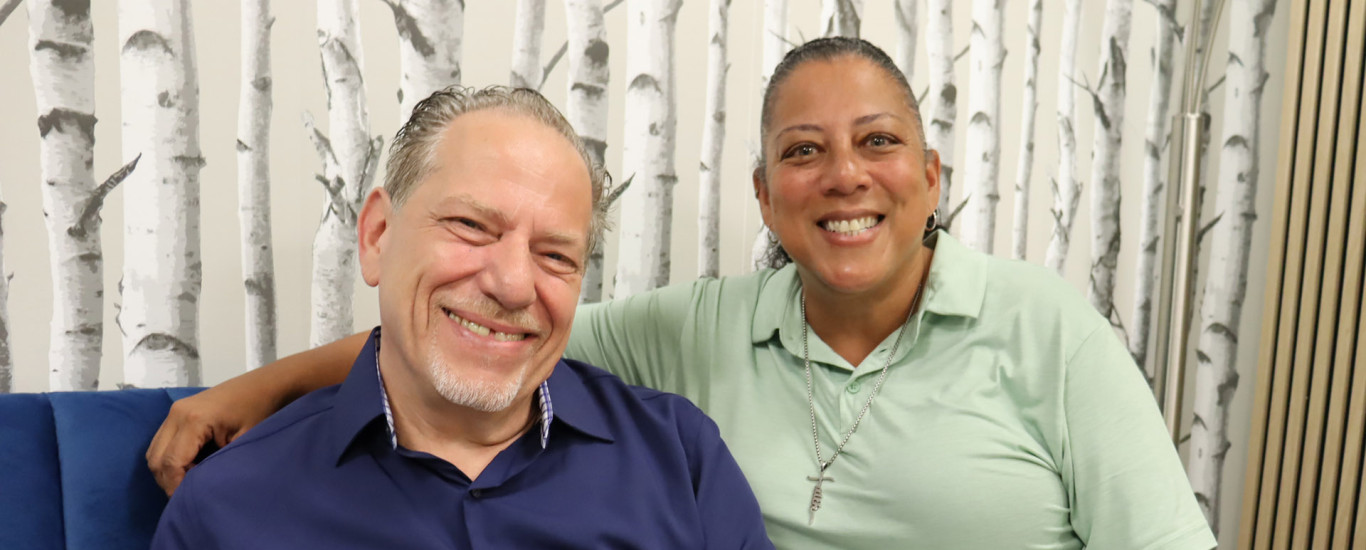
Absolutely. As a little girl going to the East Harlem Center, the feeling that I had a connection to people outside of my home and outside of my family who cared about me, who I mattered to, was an incredibly powerful feeling. I can remember that there was the moment of kind of running through the center and being stopped, and I think it was Rodney, the director, and he said, “Where were you yesterday?”. I'm like, “Huh?”. And I wanted to get to the room to play or whatever, and I like, “Well, you noticed? There are so many kids here. Why did you notice me missing yesterday?”. And he was just like, “Yeah, what happened?”. And I felt like, wow, somebody other than my mom and my family cares about me. I matter. And that opened a world that I didn't know existed. And I think it gave me the courage to actually explore opportunities that I didn't think were possible for me. So I really feel like that connection is what unlocked, set off my life's path.
Phoebe Boyer (12:56)
David, did you have the same experience?
David Giordano (12:58)
I would say following a similar path. I mean, originally I heard about this great Saturday program that opened the year before, a basketball program. Twelve, thirteen years old, you want to be part of the program, you think you're going to be the next superstar. And then I found the program, and we went up there on a Saturday. And it was funny because I was thinking about coming to and connecting to programs that we were part of. The program was the hook. But as Frances said, it was the adult, it was the connection to people, it was the relationships that really grew that kept me part of the center. And then the program was most important, because that was my real first job and learning in a place where things that I love to do and things that were benefit to me, I just wanted to give back. And it just was a natural give and take. Kelsey Stevens is still around today, and that was Coach Kelsey fifty years ago, teaching us. And I reflect that it's fifty years ago that I first came to Children's Aids Society as a youth.
Georgia Booth (14:02)
That's incredible.
David Giordano (14:03
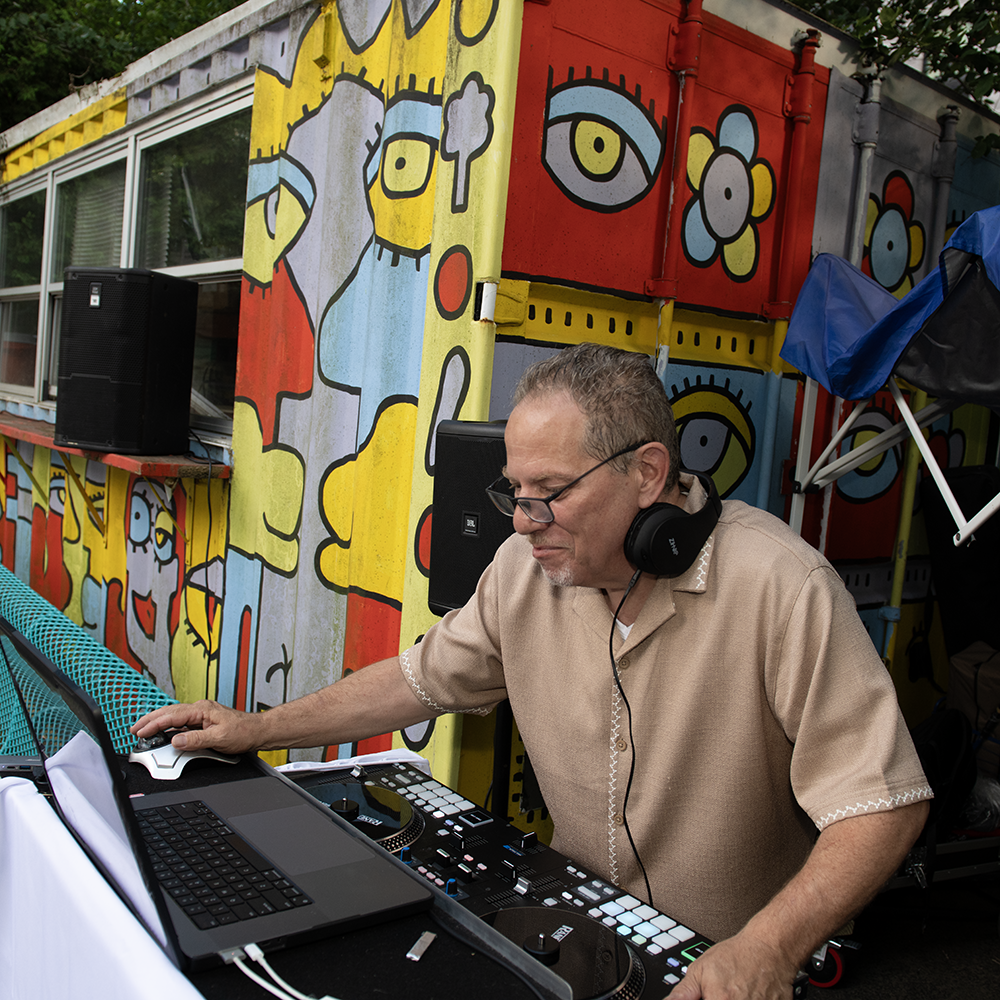
And the connection is strong. Whenever I go someplace, and I'll probably use this example. When Frances and I first started connecting and doing some work together, I was helping DJ and play music for the big prevention Christmas party. And then we found out, so there's the connection of working, and we're supporting each other's role and what we do, and I see the benefits of the families coming and the hearts and the heads.
Phoebe Boyer (14:26)
The professional connection.
David Giordano (14:28)
But then when we found out that I was a part of the East Harlem family as a kid, as my children went. And now to find out that her grandchild is at Frederick Douglass, and I came from Frederick Douglass as a kid and ended up in East Harlem. Victor, who is now the director of Frederick Douglass. So the connections run deep, but I think it's the relationships that are bound, because I think it's not just connected, because we're moving forward.
Phoebe Boyer (14:52)
One of the things that I shared with Georgia earlier, my favorite words whenever somebody introduces themselves to me and says, “And I'm a Children's Aid kid.”. It hits me deeply because it is… I mean, you two are such egg examples, such exemplars of that deep connection having grown up in our programs, giving back to our programs, but you're not the only ones. And that is a really unique and extraordinary thing, especially in a time where people are coming and going and may have their professional relationship, but that deep part that is connection literally is coming through every single story. You all experienced it as kids. I'm curious, as staff, how do you build those connections with our young people, how do you teach our staff to have that passion about the work?
Frances Lopez (15:50)
Well, David and I are blessed. And we're living proof that the relationships we build today come full circle. So Children's Aid not only supported us for a chapter of our life, but it became part of our lifelong story. And so now we're honored to be able to create those connections for others. And I think that's the real power of…
David Giordano (16:16)
And our families, because of our grandchildren.
Frances Lopez (16:18)
We were talking about generational connections that we've developed. My stepdaughters went to East Harlem; they were in the Alvinaly camp. Melissa then became a camp counselor. She worked with Victor. The other day she called me; she said, “Victor's the director of Fred Doug now.”. I'm like, “I know.”. And then as I was coming here, I thought, well, my granddaughter went to Fred Doug, and my grandson is in Fred Doug. So we just kept it going three generations. And now, working in the programs as we do, we also expand to families and community that we are kind of, as we said, we're passing the baton. At some point, they're going to continue this work. And it's just really powerful.
David Giordano (17:04)
It's generational work, particularly between our community schools and our community centers. We serve generations of families. It's not maybe somebody comes in because they had a problem; we're holistically serving them. And I think that's the other part. I think the connection that I learned and I kind of use this quote is “Show interest in that child when you want nothing from them, and you'd be surprised at what they give you in return.”. And I think that was the experience for me with Gloria Daniels and Herman Bagley, who were my center directors at those times. And that's the way that they use… And we talked about community. So it's not just we're connected to the people; we're also connected to the communities that we serve. In 1953, East Harlem and Harlem were the places to go to serve families. And then at the turn of the century in the 90s, it was now Washington Heights and then the Bronx. And I think we kind of take what we do and channel it and then multiply it and then spread it. So it was like we got the hook of kids playing basketball. Now we got you playing basketball; we're going to throw some education in there. And that was the part, so I think we evolve in the things that we do. We started community schools. Now we take those, and we're evolving that work as we spread it through the nation and through the world.
Georgia Booth (18:21)
As you're talking, David, I'm getting goosebumps a little bit because I'm thinking about what you both represent that is connected to our strategic plan. Our new strategic plan talks about leveraging the impact of our work in the communities where we're located. You must have said community twenty times in the last two minutes. But I think you're both when you talk about you're the generation of folks within your network that are benefiting from Children's Aid, the fact that you're working at Children's Aid and others that you know in the community are part of the work that we do is really help not just the kids that are with us now, but making sure that we're helping to change what's happening on the ground in in the community.
David Giordano (19:14)
Well, that's what makes it really exciting about the center and building a new center. Because we're looking really not for the work that we're re necessarily doing at the moment. Yes, that's part of what we've looked at, but it's looking at where we go, what the interests of kids are. Investing in the kitchen that's going to be this state-of-the-art thing that really takes kids' education within our programs to another level.
Phoebe Boyer (19:38)
We're s in such an interesting time. People could say, “Oh, you're Children's Aid, you're 173 years old, you're old, you're stayed. How is this relevant today?”. The technology has changed. All of the pieces. There's something fundamental, though, when we listen to each and every story that is about that humanity and that connection. We've adjusted and adapted. You all have seen that. I'm curious what you would tell our brand new staff today who are coming to Children's Aid wondering what this thing is and what is? What is the Children's Aid way?
Frances Lopez (20:18)
I mean…
David Giordano (20:21)
Wow. You can go for it; I must have a think about that one.
Frances Lopez (20:25)
I mean, I just look at it as we are pillars of communities. We've been in neighborhoods for so many years. I've always been struck by watching the kids lining up at seven AM on a Sunday to get into Milbank and play basketball. And when I used to have to break their hearts and tell them we had the party that day, and they were so sad, but the level of enthusiasm for getting up at seven AM on a Sunday to go and line up to go inside and wait for the doors to open. Growing up in the seventies and eighties, when we saw the commercial with the jingle, it was like, “That's me, I'm a Children's Aid kid.”. You can't put that into words. It's a feeling. It's like…
Phoebe Boyer (21:06)
Does it go back to mattering? I mean, you both use those words of feeling like you mattered. There's a sense of belonging and…
Frances Lopez (21:15)
And connection to something bigger than you, and to a community. Tremendous.
David Giordano (21:20)
Again, go back to the connections when once you hear somebody say, “I was a Children's Aid kid.”.
Frances Lopez (21:25)
That's it. Instant family. We're instantly family.
David Giordano (21:30)
There's a connection and bond that you just feel: They benefited as I did. They know what I got. And I think that was what was really exciting, I think, when Frances and I made that other connection that I wasn't just the center director, and she wasn't just the prevention staff director; it was that we were also both Children's Aid kids and our children were Children's Aid kids. And I think that speaks a lot when you work in a place, and you entrust your own children in that place and in the programs. It really speaks to the work that we do because it's in communities; it is generational work. Many of our centers and community schools employ who? Our children. As I was employed at eighteen, I'm still here. Because not that I just love the work, but it was the connection.
Phoebe Boyer (22:15)
No, and you're a master's level social worker. I mean, you say, I never left, but the fact is the trajectory has been extraordinary. You're a pillar of the community.
Georgia Booth (22:26)
So Francis and David, what do you hope that families get when they walk through our doors?
David Giordano (22:33)
Everything that we can offer and everything that they need, we should be able to provide, or if not, find the person or the entity that would be able to serve our clients. I think that's the part that's so important, and what's really nice is that we have so many resources in Children's Aid that we rely on to support our families and our working centers and community schools.
Frances Lopez (22:57)
And I would hope that they get a place where they feel safe and not judged and connected to all that the organization can wrap around them so that they can succeed in life and thrive.
Phoebe Boyer (23:16)
What do you want the staff to remember is their role in those connections?
David Giordano (23:23)
Be kind before being right. That's a kind of philosophy I try to follow. It is a quote by an unknown person. But I think, again, sometimes as the counselor, the director, the supervisor, the parent, we know better. But really, how do we help a kid understand that so that they get the message and can apply it to improving themselves and meeting their goals?
Frances Lopez (23:47)
I would want the staff to recognize that they can be the person that makes a difference in this family's trajectory. So I would want them to know that they should ensure that the family knows they matter. And so that way they can benefit from everything that we have for we have to offer them.
David Giordano (24:11)
I think that's kinda where you started when you said, Rodney, was it the… Took that moment and they said, “Somebody's caring about me, and they realize I wasn't here.”.
Frances Lopez (24:22)
And in our work, families are in crisis, so I want staff to really to really understand that their role is to ensure that the family's safe.
Georgia Booth (24:32)
And that they feel safe.
Frances Lopez (24:34)
And not judged.
Georgia Booth (24:35)
Yes. Absolutely.
Phoebe Boyer (24:37)
And they'll get through whatever it is they're facing.
Georgia Booth (24:39)
Yes. Absolutely.
David Giordano (24:41)
Every step of the way.
Georgia Booth (24:44)
That is true. That is true. For the folks that are listening to this podcast, what's one thing you would want to leave for them?
David Giordano (24:54)
Get to know the people for who they are and, as we've said, value them. I think those are the most important.
Frances Lopez (25:01)
Come to Children's Aid. Be a part of Children's Aid. Be a part of Children's Aid in any way as a client, as a staff, volunteer, get involved, but connect with us and be a part of Children's Aid.
David Giordano (25:15)
For a lifelong journey.
Phoebe Boyer (25:17)
Absolutely.
Georgia Booth (25:18)
Thank you, guys. This has been a great conversation. I really appreciate you being with us today. I don't know if you've…
Phoebe Boyer (25:26)
No, I just wanna say thank you for sharing your perspectives. You two have been with Children's Aid for a long time. Georgia and I, we've been here a while, but we're the new new kids on the block. And I want to say thank you for teaching us so much about Children's Aid. I'd say it's now gotten into our blood as well. Differently, but absolutely the same deep connection. So thank you so much for taking the time.
Frances Lopez (25:58)
We did it; we infected them.
David Giordano (26:02)
It's very easy.
Phoebe Boyer (26:03)
In the best ways.
David Giordano (26:04)
It's very easy. And we thank you also for having us and the opportunity. And it was easier with two of us together. It's nice and the balance. Yeah, well, it's the work, and it's very easy to talk about what we do, and we enjoy what we do and…
Frances Lopez (26:19)
Thank you. It's been a privilege.
Phoebe Boyer (26:22)
Absolutely. I was in a meeting earlier today about the sector and feeling tired and exhausted and drained, and whether people are bringing enough joy and life into their lives in this nonprofit work. And we are. We're facing really serious challenges. But for me it's so empowering to be part of Children's Aid at this particular moment in time where the world where our kids and our families and our communities, we can be a part, and we can be walking with them. I want to say they need us more than ever, but perhaps we need them more than ever.
Georgia Booth (27:09)
That's true.
David Giordano (27:10)
Connections. They go both ways.
Frances Lopez (27:15)
And connections build hope.
Phoebe Boyer (27:17)
They do indeed.
Georgia Booth (27:17)
Yeah, that is true. So Phoebe, did you bring something to talk about that signifies your connection to Children’s Aid?
Phoebe Boyer (27:26)
I did indeed, Georgia. This is one of the photos that we take. As you know, every other year we get the whole of Children's Aid together for our staff summit. And there's always a picture at the end, which is my favorite because you see all that it takes to do this work, every single member of the team. And I could not be more proud to be a part of this team. It is a point of pride to me to be just in the midst of this group.
Georgia Booth (27:59)
Absolutely. Such amazing smiling faces. I'm looking at the faces on there; every single person is smiling.
Phoebe Boyer (28:05)
Absolutely. And it's also a day, interestingly, it's always a day of connection.
Georgia Booth (28:11)
This is true.
Phoebe Boyer (28:12)
And people make new connections.
Georgia Booth (28:13)
Spread out across forty sites. That's right. So…
Phoebe Boyer (28:17)
Exactly. But it's a day when they're making connections, and I thought it was also a fit with our theme.
Georgia Booth (28:23)
Absolutely.
Phoebe Boyer (28:14)
I always feel like I'm learning so much every time I hear one of our team talk about their work, when I hear the stories of our families and kids. It's such an empowering and inspiring group of people.
Georgia Booth (28:43)
Without a doubt. So many themes came up during this season that I think are exemplified in our guests today. Not just your individual personal strength, as people, but the relationships that you were able to build through our… They were able to build through our work at Children's Aid.
Phoebe Boyer (29:09)
Individual connections, the community connections, the place to go when feeling vulnerable, without a doubt, are throughout the themes, both in our conversation with Frances and David, but in every single episode. There is this interpersonal connection and community and belonging connection that’s really powerful.
Georgia Booth (29:35)
For me, what I'm super proud of is that every single one of those episodes, our young people who are now adults have made the decision that while they appreciate what they've received from Children's Aid, they're now invested in giving back and paying it forward and helping other children and other families get to where they are. And I love the sense of commitment and passion.
Phoebe Boyer (30:07)
Just as Francis and David.
Georgia Booth (30:09)
Absolutely, just as they have done. What great examples of what this work is all about. And in this time when there's so much, as you mentioned, Phoebe, to be down about, to be concerned about, and to worry about. The one thing for me that's like super energizing and just inspiring is knowing the people we have that are working for us at Children’s Aid. They are…
Phoebe Boyer (30:43)
We are incredibly lucky.
Georgia Booth (30:44)
So lucky. Thank you for listening to Every Step Of The Way.
Phoebe Boyer (30:47)
And to learn more about Children's Aid, please visit us online.
Georgia Booth (30:52)
Until next time.