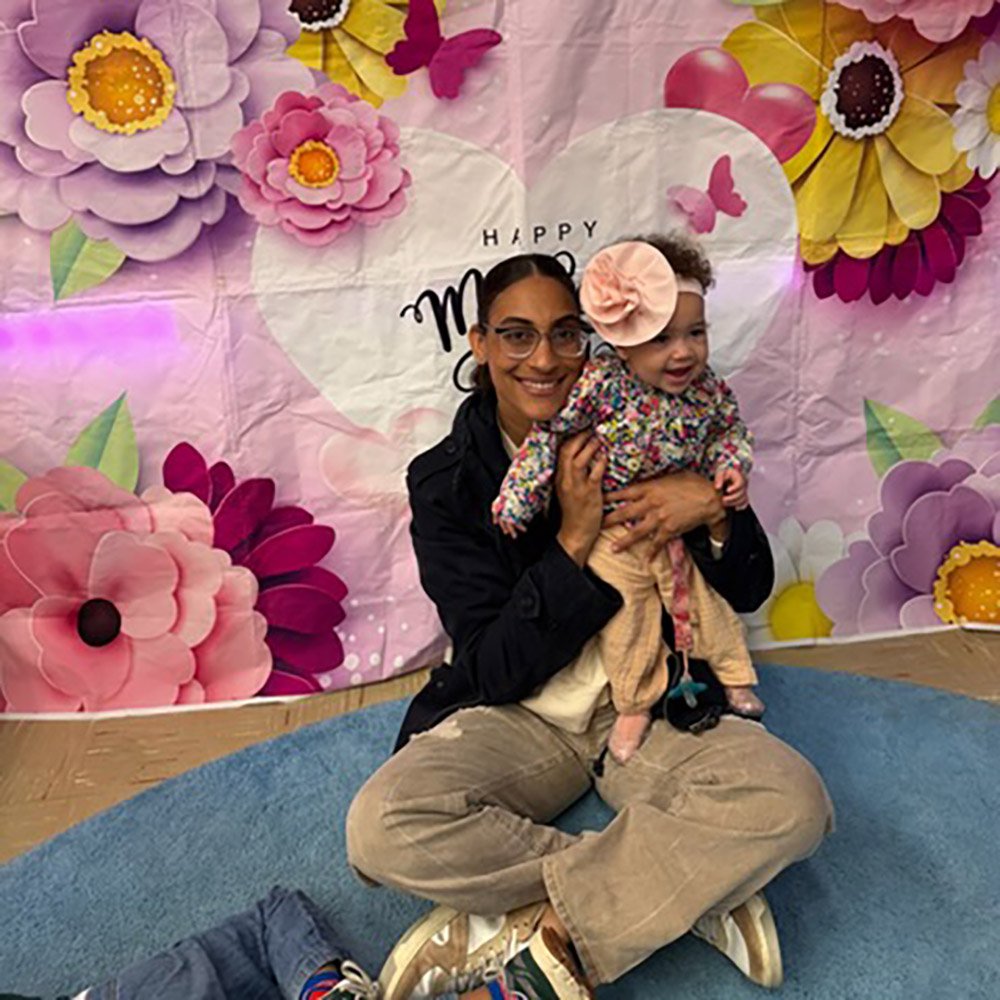
Marilyn Garcia (00:00)
When my kids were really young, I questioned everything. As a first-time mother with my baby, boy Celine. I questioned the way he walked, the way he talked, the way he ate. I don't want to put him in a daycare because I'm still very attached. It's my first baby. I just want him to have that experience with other children. I want to learn and talk to other moms and have that feeling go away of if I'm doing it right. I remember for his first day, he walked in. He looked back. Bye mom. He did not do any like crying, scariness, I felt great. So now his communication skills have increased very much. Now we are having conversations. Now he's asking why more often. And that to me, it was the best thing that could have happened. I see somebody who's pregnant and I'm like, I know this amazing program, you might think it's gonna be a lot because you're pregnant or you're having a baby, but please consider it.
Margot Sigmone (00:57)
You’re on Policy Council, you're a huge advocate. You're just lifting your family up and other families in the program.
Marilyn Garcia (01:03)
If you're hopeful, you're resourceful. Children are future. So if you provide a good present for them, then you will have a way better future. Thank you for having me.
Moria Cappio
Take a sit.
Marilyn Garcia (01:22)
It’s an honor to be here today with you guys.
Moria Cappio (01:24)
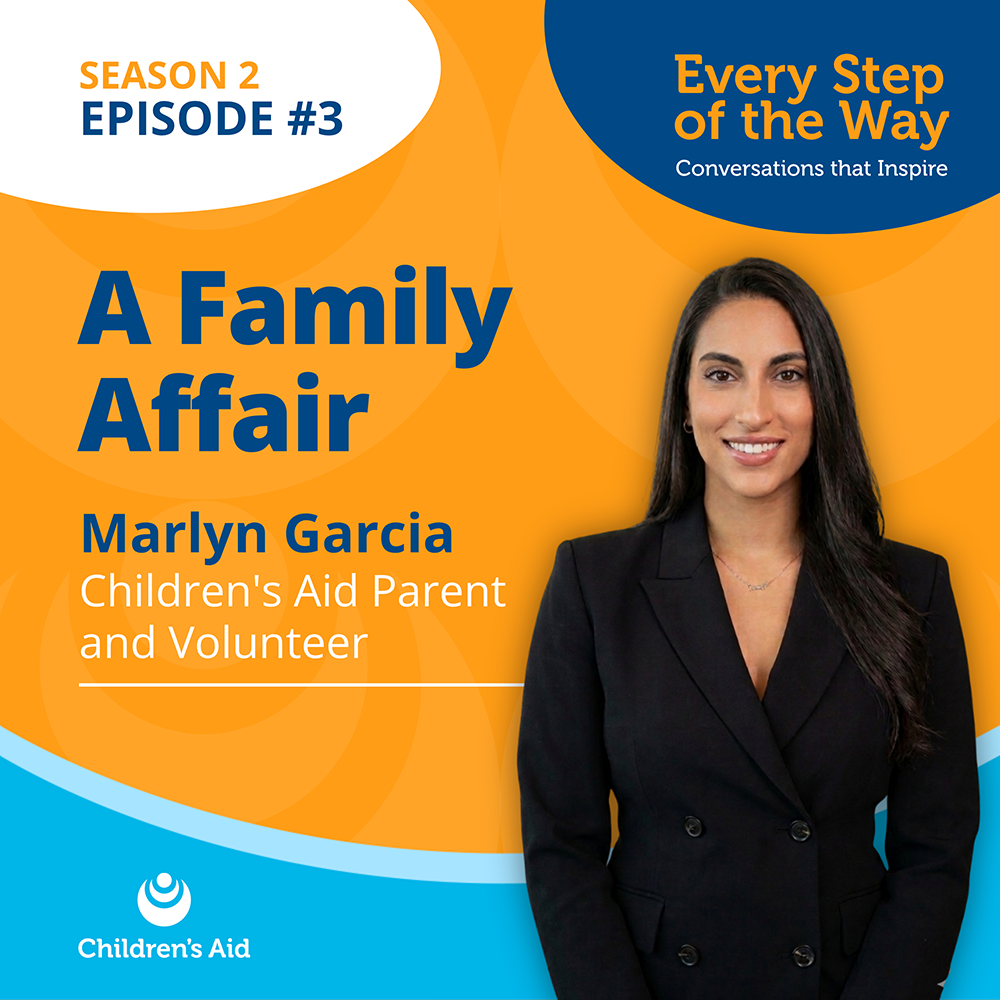
Welcome to Every Step of the Way, the podcast from Children's Aid. I'm Moria Cappio, Chief of Staff.
Margot Sigmone (01:28)
And I'm Margot Sigmone, VP of Early Childhood Education, and today we're here to talk about early childhood and what it takes for families to thrive in the first few years.
Moria Cappio (01:38)
Margot, I think we talk about how hard it is for parents in New York City, especially ones with young kids, the trade offs of work and childcare and wanting the best for your kids.
Margot Sigmone (01:49)
Yeah, every day we see how, you know, support really helps a parent support their own family and themselves and their children for lifelong success.
Moria Cappio (02:00)
I'm excited because today we get to talk to Marilyn Garcia about her two kiddos and PS5 and hear a little bit about her story.
Margot Sigmone (02:07)
Welcome Mar Marilyn. Thank you for being here.
Marilyn Garcia (02:11)
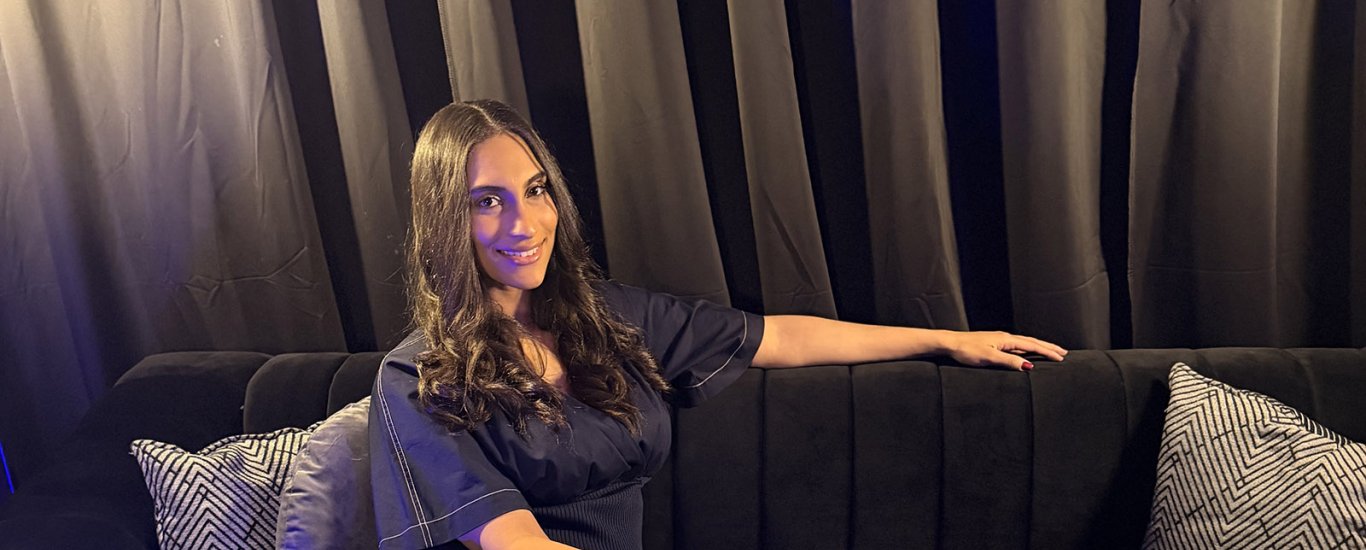
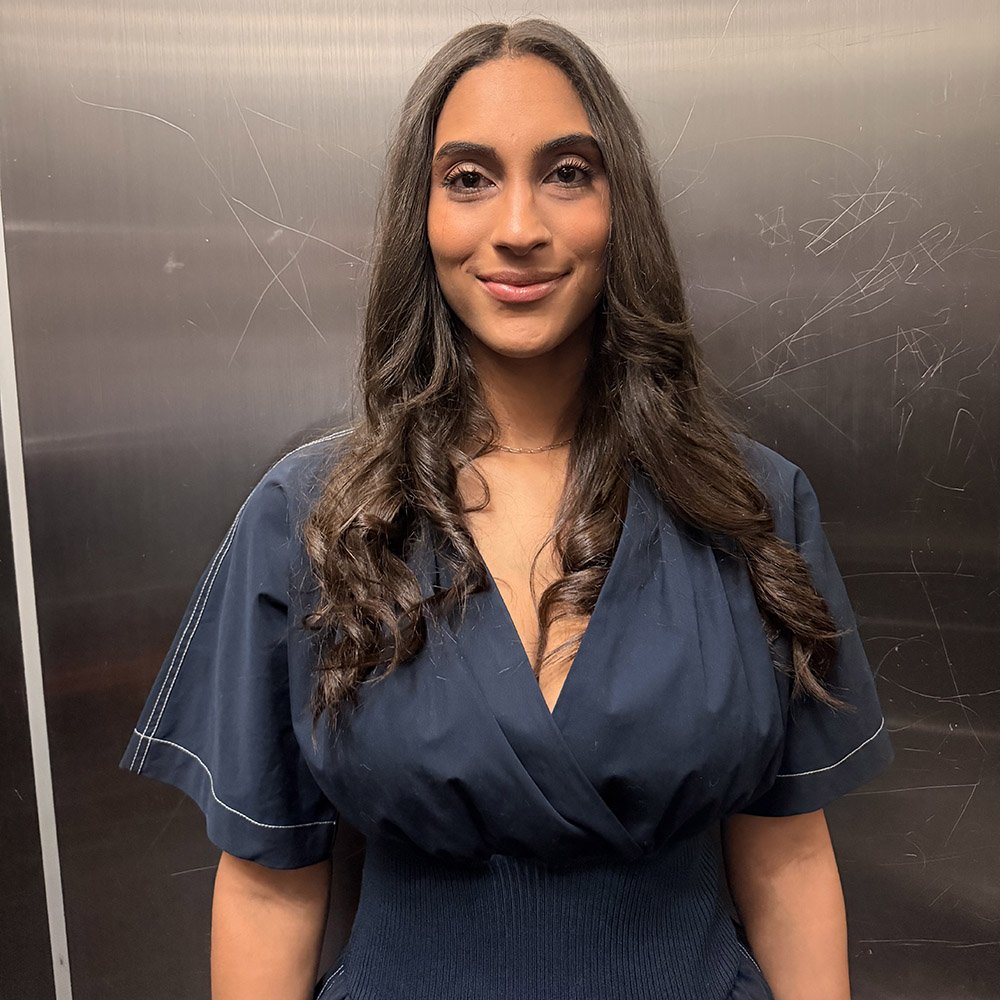
Thank you so much for having me today. My name is Marilyn Garcia. I'm a mother of two children who are participating in Children's Aid at their PS5 location. I am a breastfeeding peer counselor and yes, a happy mother of two.
Margot Sigmone (02:25)
So Marilyn, what did life look like for you when your kids were really young?
Marilyn Garcia (02:29)
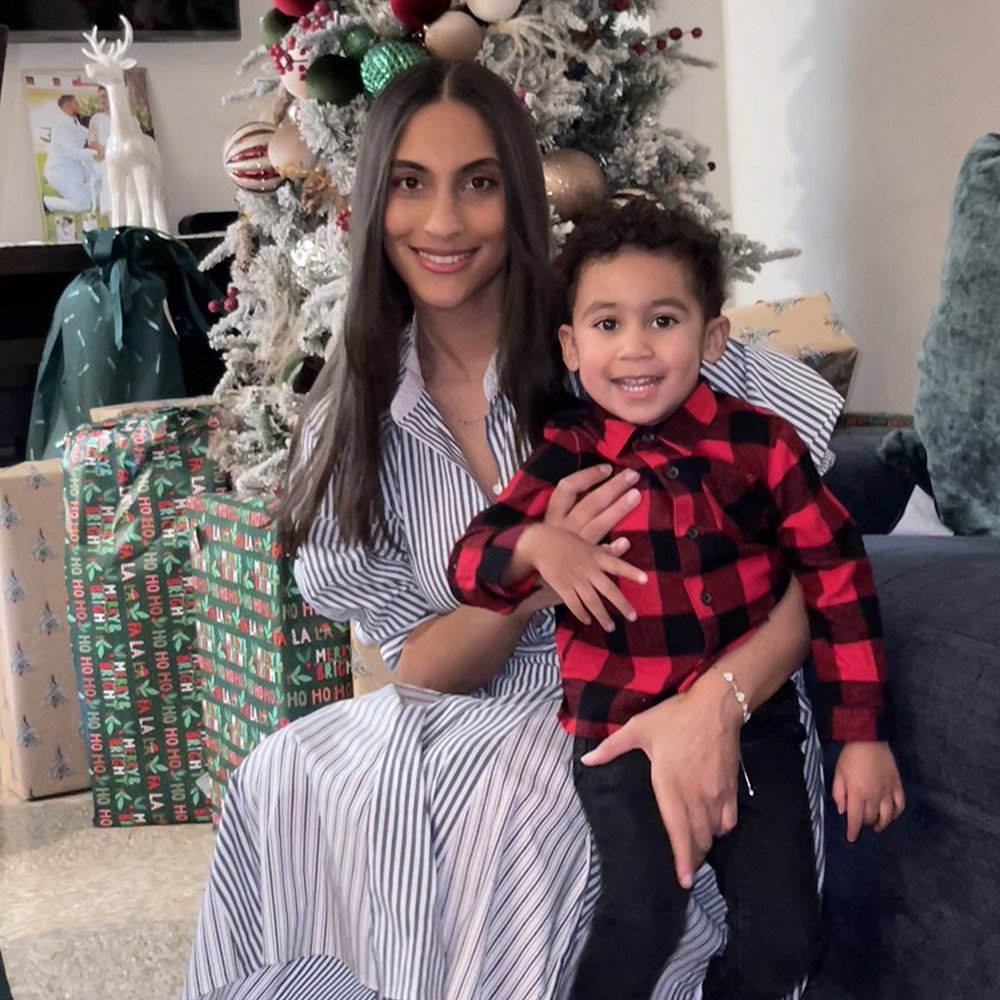
So when my kids were really young, I questioned everything. As a first-time mother with my baby boy Celine, I questioned the way he walked, the way he talked, the way he ate, the way he socialized with other kids, even his development. Coming to Children's Aid and having that support with the curriculum, the teachers, the family advocate, it was really a relief for me because I had people who work with all different types of children and they will help me lose all those dots about the way my son was doing things. It was difficult but all the support made it way better. And now I feel like an experienced mother with my second and having my baby girl, I just look at her, I'm like, wow, you're doing amazing sweetie.
Moria Cappio (03:19)
When you were a new mom, but even before Children's Aid, what did your support circle look like?
Marilyn Garcia (03:25)
Well, it was just my mother and my mother in law who are both immigrants. So we're basically first time immigrants. So a lot of the information that we had came from back from my country, you know. We weren't exposed to development needs, milestones, none of that. It was just like a guess it or you know, rundowns from the family, like, that's this is the way that we're supposed to do it or if baby cries or they're supposed to crawl by a certain time. So it was basically a lot of foreshadowing from what they were doing with us.
Margot Sigmone (04:02)
Marilyn, you talked about Children's Aid and the support that you're currently receiving. What led you to Children's Aid?
Marilyn Garcia (04:10)
Well, with my son, I always had those thoughts and I will bring them up at my children's doctor, that I felt that he was behind in his development, or his milestones, and that it would be taking him a bit longer. They had mentioned that maybe he needed more socializing at the time with other children so he can kinda see or or catch up to whatever they were doing around this age. So I started looking around and I was questioning myself. I'm like, you know, I don't wanna put him in a daycare 'cause I'm still very attached. It's my first baby. I just want him to have that experience with other children. I wanna learn and talk to other moms and have that feeling go away if I'm doing it right or if I'm on time with my milestones and my teachings. So when I looked into Children's Aid, I saw that they had the Early Head Start and I thought it was amazing because it was more about the socialization and it was that support that I needed and that outreach with other mothers. It didn't feel like I was just bringing my kid and just leaving him somewhere. It was like I'm interacting with him and other moms and other kids and I'm able to see and learn from what they are experiencing and take everything home. And also I looked into their curriculum which to me was amazing. So it was something that led me straight away. If the first thing I did was apply online.
And I got that call right away from Gina, which I was really happy about. I was scared 'cause you know, there is this thing about childcare and centers and schools that you're gonna be waitlisted or that you're gonna have to wait until the enrollment to open. So I was really scared that I was already too far behind. But it was amazing. They reached out and they accommodated me and my child and from there on I never left.
Margot Sigmone (06:03)
But we appreciate you.
Moria Cappio (06:05)
You're choosing Children's Aid. One of things I love about Children's Aid's early childhood programs is that there are those options. You know, you can leave your child if there are three or four in a classroom for the day and that's a great fit for some working parents. But the home base program that Marilyn described, you can be there with your kiddo for the whole day. Can you just talk a little bit about paint the picture of that socialization class?
Marilyn Garcia (06:29)
Of course. So we have socialization I believe once a month, apart from all the other activities that Children's Aid is having throughout the month. And it's where all the moms in that group or that class come together where we have all the kids, do an activity for the month or do some work with children. Either we're playing or singing our good morning songs or we're also working on some skills or paintings, whatever we can to bring home and also practice with our kids at home. One of the things that I really like is that we focus a lot on routine. So and the ReadyRosie videos help us a lot. So I we watch the home, we bring it to the classroom and whatever we learn in the classroom and we share it comments with moms and how everything is going, their development, their growth, and we bring that back home. And we share a lot of tips, the moms. Baby teething, they tell you, you should h you know, you should help them with some fruits and vegetable coats so it's really good.
Moria Cappio (07:31)
Tips and tricks.
Marilyn Garcia (07:31)
Yes.
Margot Sigmone (07:32)
Opportunity to build connections with each other.
Marilyn Garcia (07:34)
Exactly. So it's not only the kids are enjoying playing around and touching all the toys that we have in the classroom, also the moms are we're connecting and we're sharing all those tips and we are creating the routines and we're sharing our routines. So who knows, another mom's routine might work perfect for you. 'Cause you're struggling trying to figure out how to pull at what time should I do this or when is baby nap time or how can I put them to nap. So it's really good.
Margot Sigmone (07:58)
Sounds like you have a lot of fun at socialization. Can you talk a little bit about the home visits?
Marilyn Garcia (08:03)
Home visits are amazing. My son, when we used to go there first, he would love them because back then his teacher would come in with all these amazing toys that he has not seen at home. And that would work great with his hand and eye coordination. And for him, it was like the perfect play date. For me, it felt good because it was a relief. I was able to see him interact with someone outside of me and grow that trust.
Not to the stranger, but to the face, put a face to that person. It was great. Because it will relieve me of the fact that I was homestuck all the time with the baby. Now I have this person coming in, asking me how I'm doing, working with me, helping me around with the baby, showing me new things that I could do to help decrease maybe tantrums and all of that. So it was good. It was a support that I also needed.
Margot Sigmone (08:51)
It sounded like it supported you not just as a parent but in your day-to-day. Can you talk a little bit about your advocacy? What does advocacy look like for you in the program?
Marilyn Garcia (09:02)
I was in the program with my son and I was able to do a lot of activities with other parents and hear them out, the teachers would hear us out and it came to a point where I was the one that I was showing up and reminding moms of, hey, we have socialization, please I wanna see your face. Don't miss it out or hey, can we bring this up? Or can we work on next month's event? We should do something. So from there on I was picked by a group of my parents from my classroom to be their chairperson and for their policy meetings and I am really grateful. I am able to bring new information to them and I'm able to bring any concerns that they might have either from, you know, the playground or maybe to the half days, I'm able to bring that back to them. And it has been a really great honor to do that for them. And it has brought me a lot of great opportunities also. And I'm really grateful. I was able to advocate for new mothers to come into the program. I'm able to refer to those moms. I'm able to talk to them and advocate for the moms who are struggling. So it doesn't stop only at, you know, the policy, it's like a community outreach also. And I'm able to do that for them and I'm more than grateful.
Moria Cappio (10:28)
I love how you kind of pay it forward, you know, you got involved in the program and now you're recruiting other families.
Marilyn Garcia (10:34)
Exactly. And it's something that I wish someone was there to say sooner. But now I took that as my job. I can say it sooner. I know I see somebody who's pregnant and I'm like, I know this amazing program. You might think it's gonna be a lot 'cause you're pregnant, you're having a baby, but please consider it. If somebody would have told me that during my pregnancy, it would have lifted all those worries of, you know, while my child was growing up. And now I wanna make sure that the pregnant mothers know that there's a program out there. So they don't feel like they're alone through that pregnancy. They have you know that that support group.
Margot Sigmone (11:13)
Marilyn, you have this great bubble around you with these wraparound services. With your son Celine, who started with us as a baby, and now your daughter Stella, who is ten months old and she's in the program. What does that feel like for you?
Marilyn Garcia (11:30)
It's a great, I keep saying honor. And I don't know how else to describe it because I know a lot of children don't have that experience. Or mothers, they have to go right away to work when they wanna have that socialization time with their children. They wanna see them grow. They wanna see them grow and play and socialize with other children. For me to do it with Celine, now seeing him go into the classroom it made me feel like a great parent. I'm like, I'm preparing for him. I can't. Now you know, he doesn't feel like a stranger. I remember for his first day, he walked in, he looked back, bye mommy. Did not feel any like crying, scariness. I felt great just because of the fact that I'm like, my God, this helped him transition perfectly into a classroom setting. And to do it with Stella.
If you guys see her, her little WeBop and she's like amazed. So to me, it's a pass down. It's something that I'm passing down from one baby to another. And I feel really great. Because all I see is positive things coming out of that. And it makes me feel great. That's all you want to give your kids. Positive things, positive experiences. So to me it was really good to see that transition.
Margot Sigmone (12:41)
Marilyn mentioned Webop. WeBop is one of our partners who come into our spaces. And you want to talk a little bit more about that?
Marilyn Garcia (12:48)
So WeBop basically is a band or some musicians that play jazz, which is really good for the kids. It's really it percolates on, it's really good. They enjoy it. And they come in every Wednesday for me. And they do classes and then they bring the big band and the kids enjoy it because it's a lot of music, it's a lot of colors, it's a lot of playfulness and peekaboos and everything. So it's new faces that they're also seeing and they have that good time and they're associating that music and the and it's fun. It's fun for them and they really like it. My daughter loves it. She loves to jump and clap and and hear that music and the singing and it's something that I think children should be exposed to from a young age because it just regulates their brain, it makes them calmer, it makes them happy. So I really love that program. My son loved it too. It was this crazy time. It was the time where he could go when he was smaller, he he we go to WeBop, he would go crazy there. He's like, I'm dancing, I'm shaking, shake, shake, shake. So he loved that song. He still does to this time. So yeah.
Moria Cappio (14:02)
It encourages like a love of learning.
Marilyn Garcia (14:04)
Yeah. And movement. They're shaking, they're free, they're moving around, they are able to jump and show their feelings. So yeah.
Moria Cappio (14:13)
What have you noticed, you talked about your son's evolution from home base to center base and the new skills he picked up or the competence. What else did you notice when he moved from the home base program into one of the classrooms?
Marilyn Garcia (14:25)
I'm very open with this. My son has some development delays with his speech and he does get a lot of therapies. So when he came into the program, I was able to work with Children's Aid to get assistance to get into early intervention. Children's Aid has been really open to allowing him to receive these therapies in their classroom. So he's already in an environment where he can come where he feels comfortable where he has all the needs, the toys, the recreational, the skills that he's able to use and for them to come in and have that therapy there, it's a plus. Mm-hmm. So now his communication skills have increased very much. Now we are having conversations. Now he's asking why more often and that to me, it was the best thing that could have happened 'cause that was one of my biggest frustrations. That my son wasn't able to communicate his needs and because of that came the tantrum, came the frustration. But now that he's following this therapies in the classroom and they incorporated with the curriculum exactly in the routine. I keep telling his teacher, Are you sure that's my son? And he goes and he drops the little like he's finished with his drink. He drops it in the sink, whatever's left, and he puts it in the trash and I'm like, my God.
He's following instruction, he's communicating, he's saying all done. To see that progress. I not only give it to the therapist but to his teachers and Children’s Aid and I'm like, you have created a way perfect environment at home where we're both not frustrated because we're not able to communicate now. I kinda know him and I can see and sense what he needs. And it was a great thing for me. I still like
Margot Sigmone (16:06)
I love that. What's one thing you would say to a parent who is in the same position right now?
Marilyn Garcia (16:11)
I would say a lot of patience because it's very new for especially if you're a first time parent to to understand that they're going through that. And a lot of people will have a lot of opinions. They would say that, it's normal, is this go with your guts and takes it slowly because he's a kid, he's learning everything new. Mm. He's a new world for him. It might not be new to you, but it's for them. Try to have it as gentle and as positive as possible. 'Cause there will be those hard times, but you could turn those hard times and those frustrations into good times. And there will be like, Okay, I like the good times. I don't wanna cry all day. So definitely I will say that it's all about patience and advocacy, being on top of your kids and making sure their therapies are on time and having that connection or having that family advocate speak for you because you don't know the right words, you don't know the system. So having that person who does know, they can communicate your needs more easily and get you what your child and you need at home. Instead of you asking or wondering, should I ask if I can get more time of therapy? And they are able to see that 'cause they're with your children, they're with you. And they ever communicate that to the Department of Education or whoever it is that you're working with with those therapists.
Moria Cappio (17:32)
Marilyn mentioned family advocates. Are there family advocates at all the early childhood programmes?
Margot Sigmone (17:36)
Yes, they're family advocates, all early childhood programs. There are nine early childhood programs across the city. Staten Island, Washington Heights, the Bronx, Harlem. And the family advocates are like the liaisons between the community and the program. So they're there to guide the families towards resources and anything that they need to support their family and also to help bridge the gap between home and school.
Moria Cappio (18:02)
I love that the family advocate is the connector. Did your family advocate help support on getting any other resources while your family was in the program?
Marilyn Garcia (18:12)
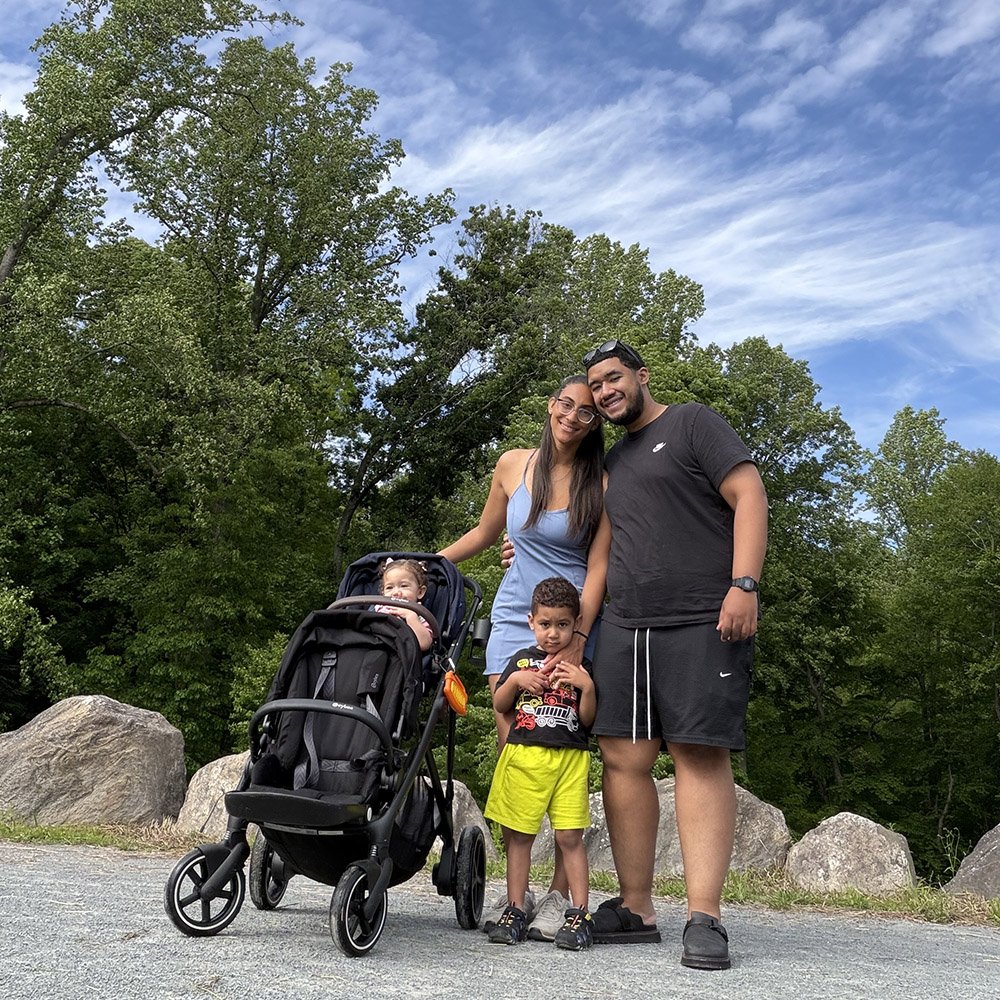
Of course, you know, in today's day there's a lot of food insecurity. Throughout the whole city, we're facing a lot of hard times. And my family advocate was able to connect me with food resources, food pantries. Also, sometimes we get food boxes to our centers and we are able to get those at home. So it was not only about my children's education. They're also there for my family needs, for my household needs. For me, having going through food insecurity, because now we're now we're four and not three as before. It was really and I wasn't working and maternity leave and that's a whole process. So for me to have that support food-wise from someone who I know and I see daily, it doesn't feel so bad. Because sometimes you're scared to ask or you're scared to go to those new places 'cause you're scared of rejection. But having that support from a family advocate and having that relationship there made it easier for me to not feel that I wasn't doing a wrong thing at home because I'm missing some food. It made me feel like I understand you, you're going through hard things. Here are some resources. So it was amazing.
Moria Cappio (19:25)
What a great connection.
Margot Sigmone (19:26)
Yeah, I mean it definitely signals what it means for families to receive the support that they need. It's not just about the early childhood education and the care that's happening in the home based setting or the center based setting. It's the care that the family needs.
Marilyn Garcia (19:42)
Yeah. Yeah, because like you say the family it's a whole. It's like a puzzle. It's like it all come together. So mom and dad are struggling, and the baby's gonna struggle. So we want all the family members to feel good, to feel supported and that will make a good outcome or a good kid. Everybody's gonna have a good experience.
Margot Sigmone (20:03)
It gives you hope.
Marilyn Garcia (20:04)
Yes, it gives you hope.
Margot Sigmone (20:06)
What else gives you hope?
Marilyn Garcia (20:07)
What else gives me hope? I yeah, have this line I say, if you're hopeful, you're resourceful. I keep saying this to a lot of people. So the more hope you get, the more resourceful you will become. So I'm hopeful that if I'm able to meet the right people or if I'm able to advocate and I'm able to bring in services or maybe bring a new mother into the program, I'm hopeful that that's gonna benefit not me but everyone. I'm gonna be a resource for them. It's gonna create new resources, it's gonna make new connections. So to me, I'm hopeful for better things for more advocacy. I think something that New York City needs is more advocacy, especially when it comes to children. Children are the future. So if you provide a good present for them, then you will have a way better future.
Margot Sigmone (20:58)
I mean that's what it means to support families every step of the way, Moria. Absolutely. Absolutely Agreed.
Moria Cappio (21:03)
Marilyn, if you could change one thing about how families are supported, especially in their early years, what would what would it be?
Marilyn Garcia (21:12)
Coming back to the advocacy, I would say having this program's more present, not in the early years, but through the pregnancy and before the pregnancy. So having that in doctors' offices, clinics, schools. So I know that Children's Aid has nine sites, but we know that we need more. We know. I'm one of the lucky ones to be able to have my children in the program. But we know I know a lot of moms who are not able to, who don't have the resources, the time or the center close to them. So I would say one thing I would change is basically have more outreach for the mothers and more funding for this program to be not only in this for nine programs. It sounds ridiculous. A whole city has nine programs, we definitely need more. So having these programs all around the city. If I have one so close to me but it took me all the way until my son was one to learn about it, that means we need to change something. It means it needs to be spoken by our community members or our senators and everything.
Moria Cappio (22:30)
More programs and more Marilyns.
Margot Sigmone (22:31)
And Marilyns. You're right, Marilyn. When families have access to programming and resources, they feel supported.
Moria Cappio (22:40)
And then whole communities change. I love how you talked about it because it's like the Children's Aid logo. When the child's thriving, the family around them, then whole communities are thriving.
Margot Sigmone (22:50)
Every step of the way.
Moria Cappio (22:52)
Marilyn what did you bring with you?
Marilyn Garcia (22:53)
So today I brought a Children's Aid t-shirt that was given to my son and has been passed down to my daughter. It brings a lot of emotions and feelings because I see it so small and it just reminds me of how great and how many accomplishments they had had through Children's Aid and it means a lot to me 'cause it has been there from day one, literally to now.
Margot Sigmone (23:16)
Marilyn, you just talked about, you know, this growth that you saw in your kids from when they were in a home-based setting to now an incentivized setting. And when we think about our young ones, we know they started little itty bitty pumpkins, right? And they're part of the Children's Aid pumpkin patch. And you know, when you go to a pumpkin patch, you are working alongside other folks. And that's like the support that you receive every day. So I brought a pumpkin patch because it just represents Children's Aid. And all the support and the growth that we see along the way. Moria what did you bring?
Moria Cappio (23:49)
I brought a children's book. H is for Harlem. We're always doing read alouds in the classrooms, but our our main office is in Harlem and I just love that. All of our programs celebrate the culture of the neighborhoods where the families are.
Margot Sigmone (24:02)
Marilyn, thank you so much for being here with us. It was an honor to connect with you. We really enjoy you being in our program. You're on our policy council. You're a huge advocate. You're just lifting your family up and other families in the program. So we really appreciate you.
Marilyn Garcia (24:17)
Thank you so much. I got the help. Now I need to help other New Yorkers. That's my duty as a New Yorker myself. So thank you so much for having me today. And I hope to hear from you guys more soon.
Moria Cappio (24:33)
And thanks to everybody for listening. We'll see you on the next episode of Every Step of the Way.